

Housing needs for people with Alzheimer’s disease in Andalusia: Strategies for the inclusion of this vulnerable group in urban planning

THE PROJECT
The aim of the VIVAlz Project is to assess and quantify the housing needs of people with Alzheimer’s disease (AD) in Andalusia, by identifying the parameters, dimensions, and spatial characteristics that must be taken into account to enable a person with AD to effectively carry out the Instrumental Activities of Daily Living. The research analyses and proposes architectural solutions to ensure that homes can be progressively adapted to the changing requirements associated with the progression of the disease. The study takes a gender perspective into account, as well as the housing needs of family members and caregivers living in the same household.
THE TEAM
 RESEARCH TEAM
Santiago Quesada García
Phd in Architecture CV >
Julia Molino Barrero
Phd in Architecture CV >
María del Mar Elena Pérez
PhD in Telecommunications Engineering CV >
José Luis Cantero Lorente
PhD in Neurosciences CV >
WORK TEAM
Pablo Valero Flores
Phd in Architecture CV >
Gloria Rivero Lamela
Phd in Architecture CV >
María Lozano Gómez
Architect CV >
José Manuel Mera Gómez
Building Engineer Tehnical Architect CV >
Glauco de Paula Cocozza
Phd in Architecture CV >
Federica Giuliani
Phd in Architecture CV >
Luca Zaniboni
Phd in Architecture CV >
 MAIN OBJECTIVE
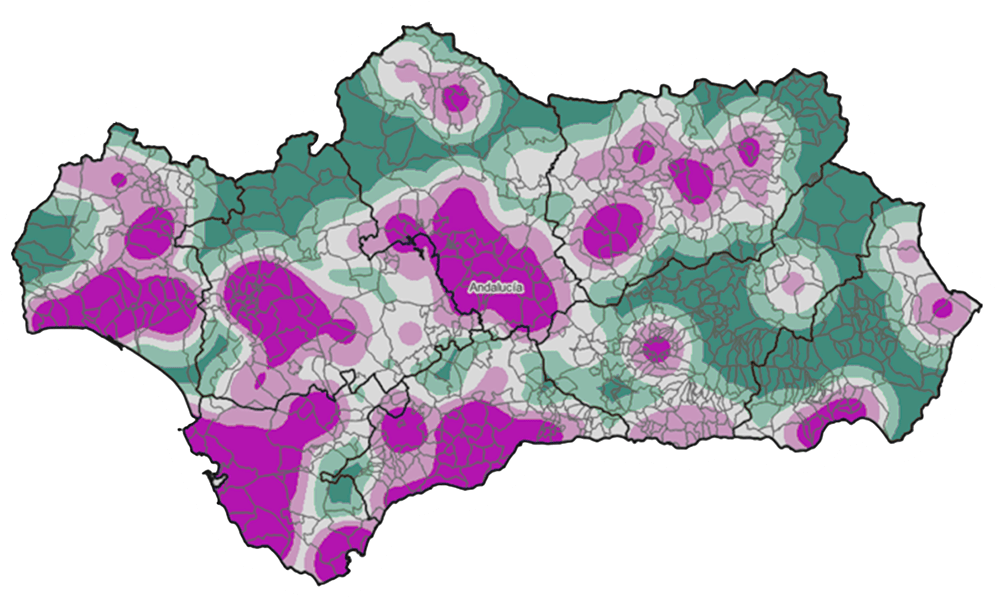
To quantify the housing needs of people with Alzheimer’s disease (AD) in Andalusia.
SPECIFIC OBJECTIVES

To assess how the environment influences a person’s orientation and autonomy.

To study the sensory impact of light, colours, and materials.

To link inhabited spaces with the evocation of memories and emotions.

To analyse which areas of the home promote well-being, a sense of security, or cause difficulties.

To design homes that can adapt to the progression of the disease and to the family’s needs.

To develop inclusive technological solutions for assisted living environments.

To identify priority areas to adapt homes and facilities for people with Alzheimer’s.
METHODOLOGY
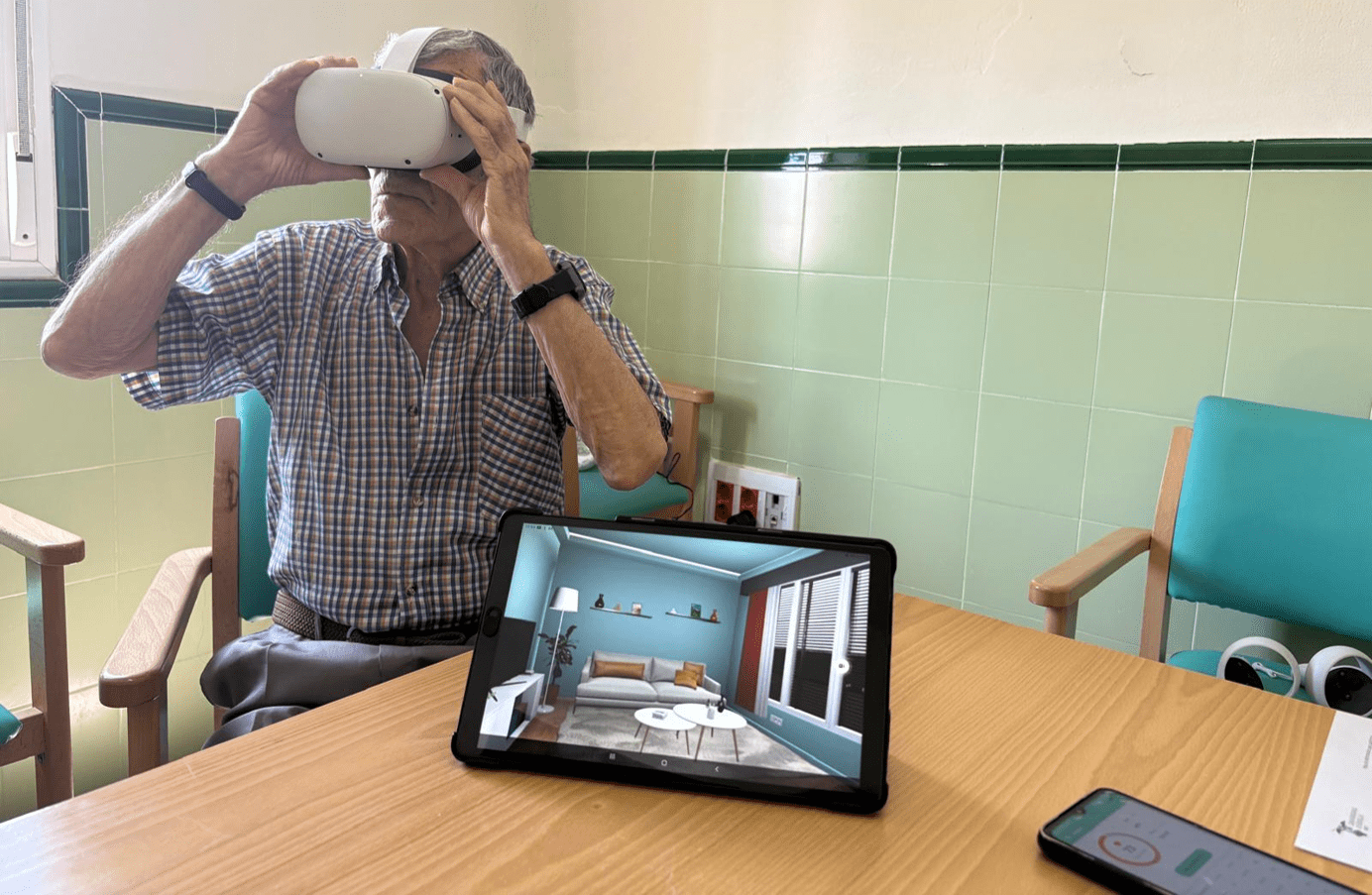
To develop this project, an innovative methodology has been designed within the field of neuroarchitecture, which places the individual at the centre of the research and analyses their behaviour, perception, and emotions when experiencing specific environments. The added value of this research lies in deepening the understanding of housing needs for people with Alzheimer’s disease in Andalusia, proposing inclusive solutions that improve their comfort and well-being in their daily home life.
RESULTS
* BOOKS
 |
|
|
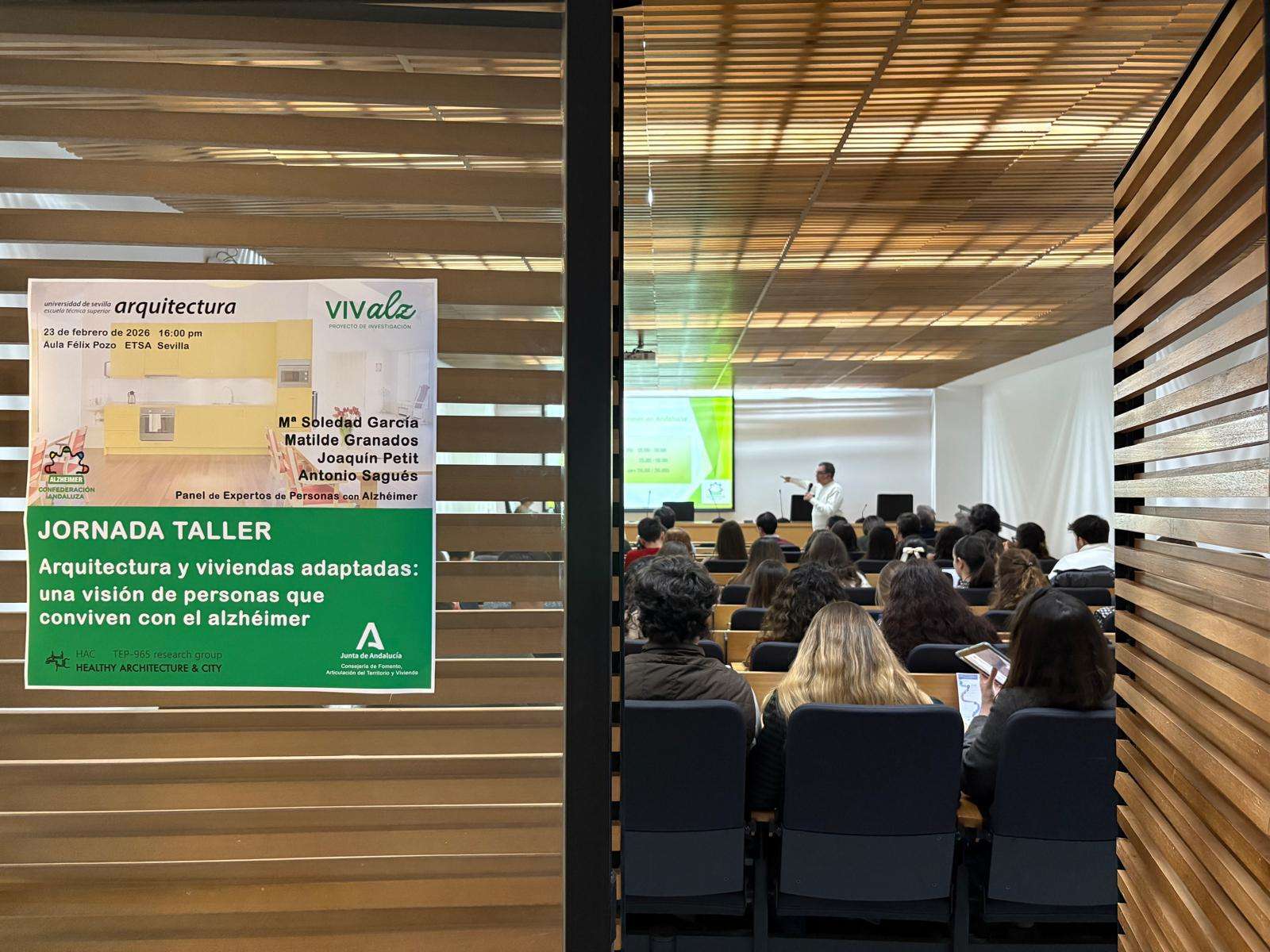
* WORKSHOPS
|
 |
* CONFERENCE PRESENTATIONS
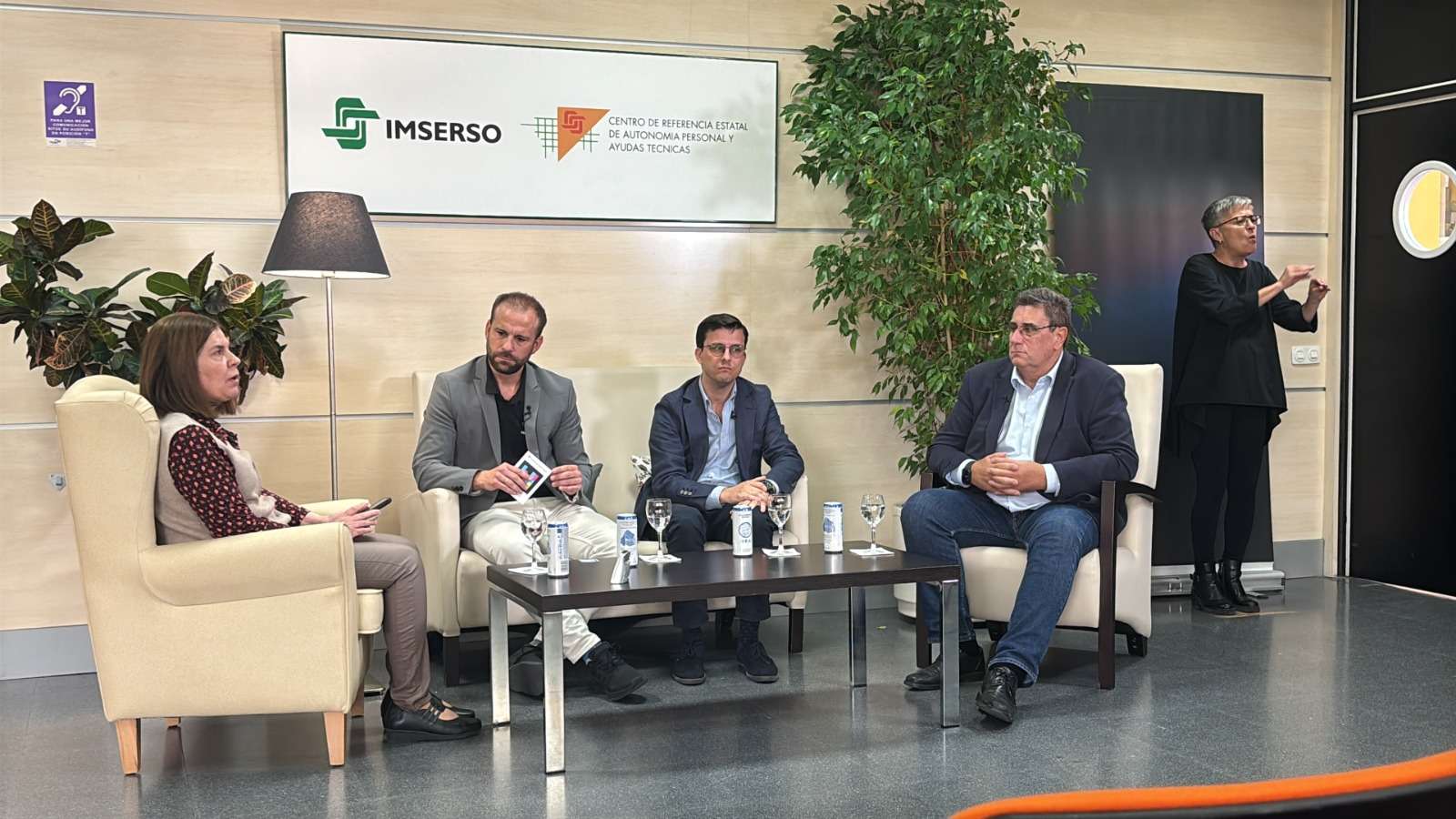
| CEAPAT 2025 Week of meetings. Madrid, 03/11/2025 Centro de Referencia Estatal de Autonomía Personal y Ayudas Técnicas (CEAPAT) Institute for the Elderly and Social Services (IMSERSO)
Viviendo en la ciudad accesible (read more) |
 |
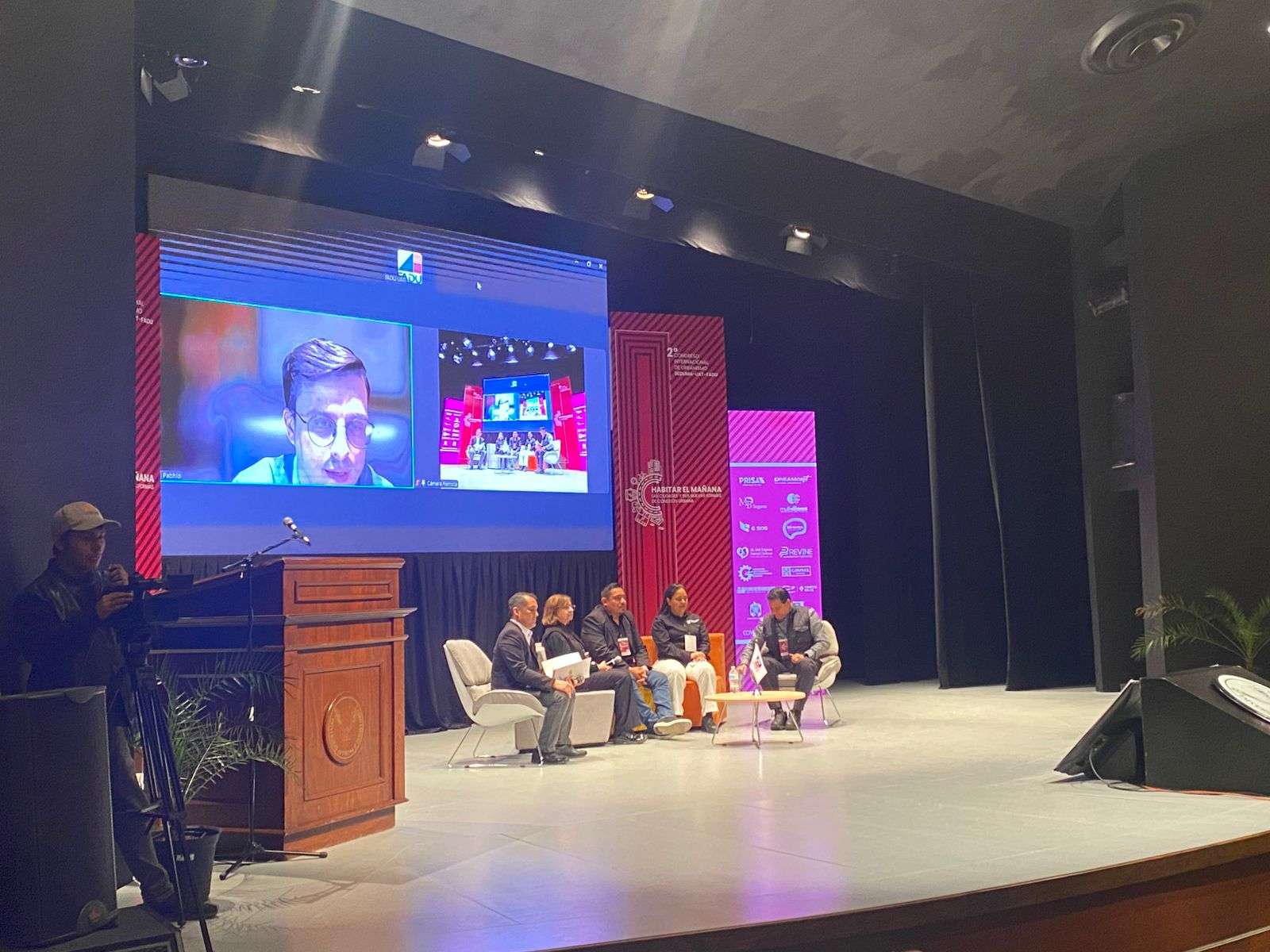
| Second International Congress on Urban Planning: “Living in the future. Cities and their new forms of urban connection”. Tamaulipas (México), 10/11/2025 Secretaría de Desarrollo Urbano y Medio Ambiente (SEDUMA) Autonomous University of Tamaulipas (UAT) Faculty of Architecture, Design and Urbanism (FADU)
El desafío social de la demencia: un nuevo paradigma en la planificación urbana derivado de la necesidad de viviendas inclusivas (read more) |
 |
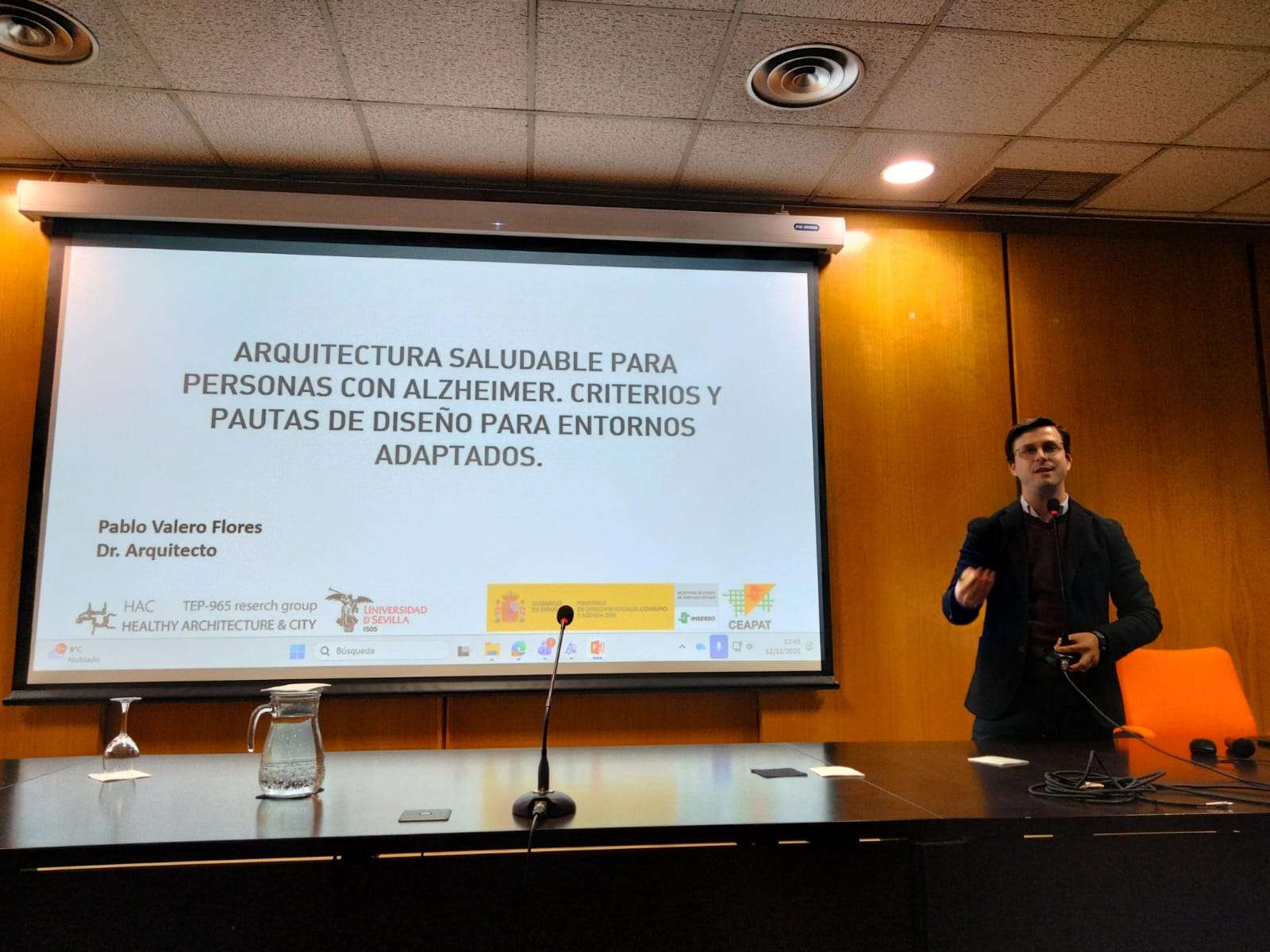
| Cognitive Accessibility and Architectural Design. Madrid, 12/12/2025 Centro de Referencia Estatal de Autonomía Personal y Ayudas Técnicas (CEAPAT) Institute for the Elderly and Social Services (IMSERSO)
Arquitectura saludable para personas con Alzheimer. Criterios y pautas de diseño para entornos adaptados (read more) |
 |
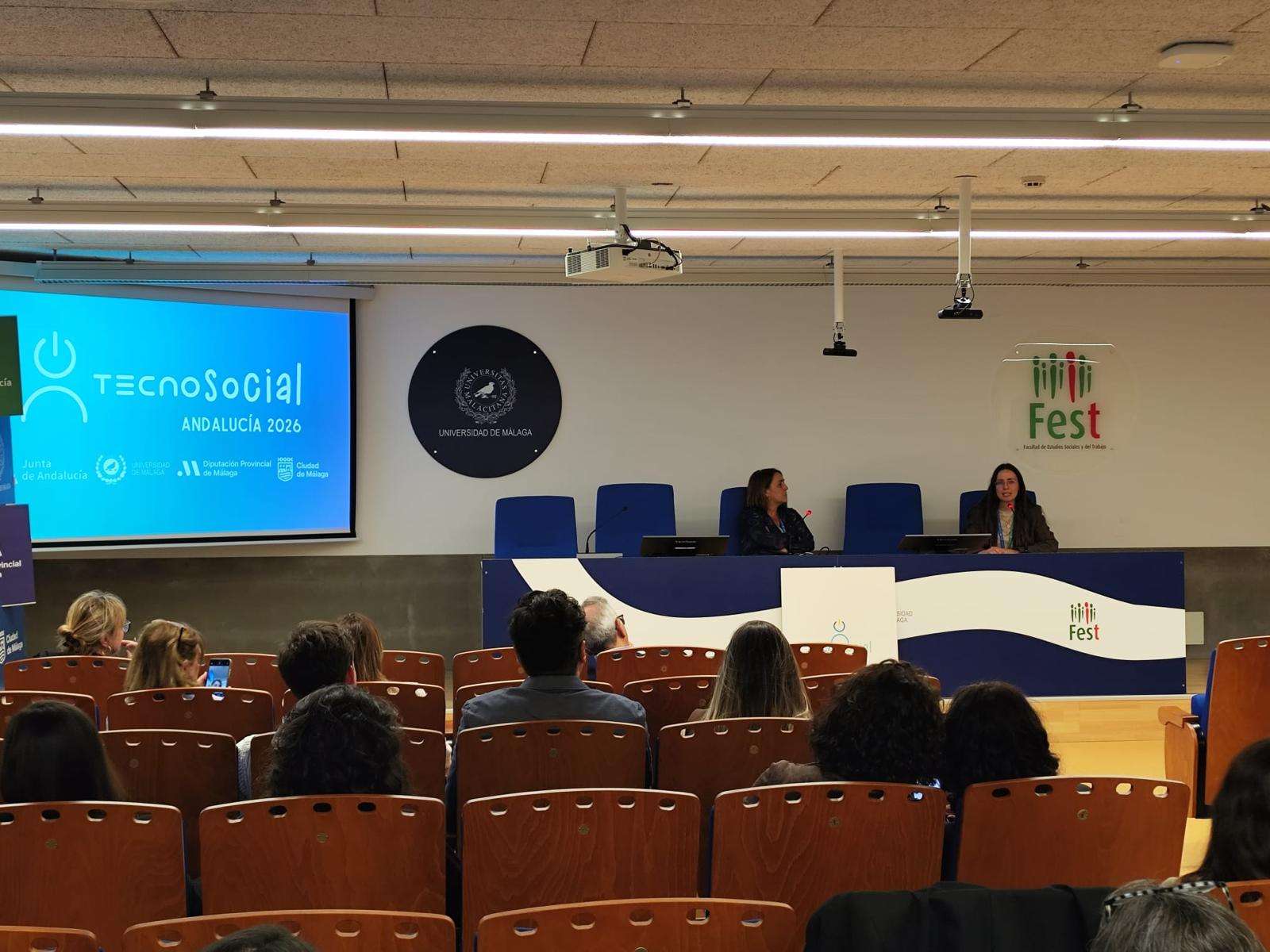
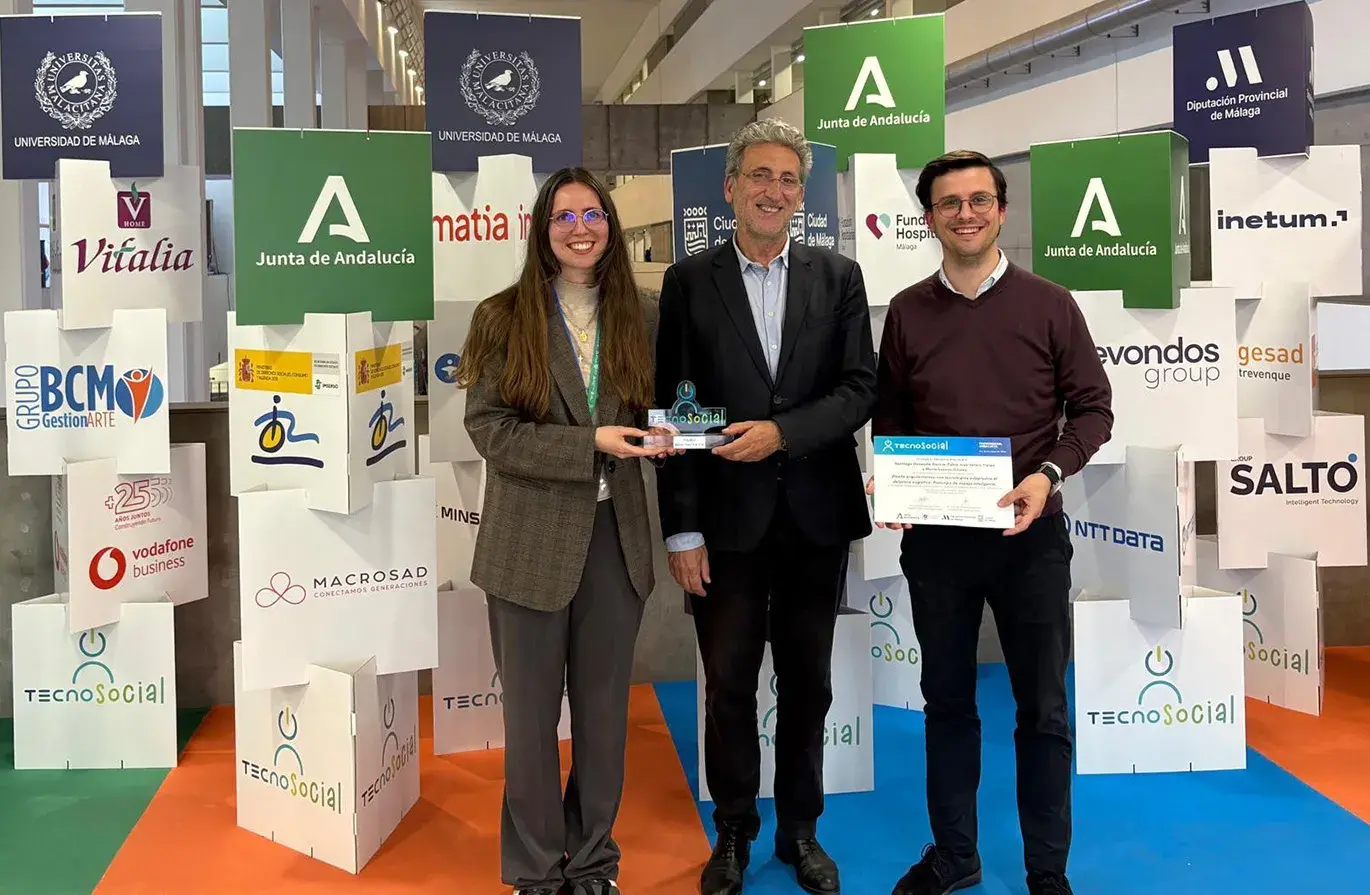
| TECNOSOCIAL Andalucía 2026. Málaga, 19-20/03/2026 Junta de Andalucía / University of Málaga / Málaga Provincial Council / Málaga City
Diseño arquitectónico con tecnologías adaptadas al deterioro cognitivo: prototipo de espejo inteligente (read more) |
 |
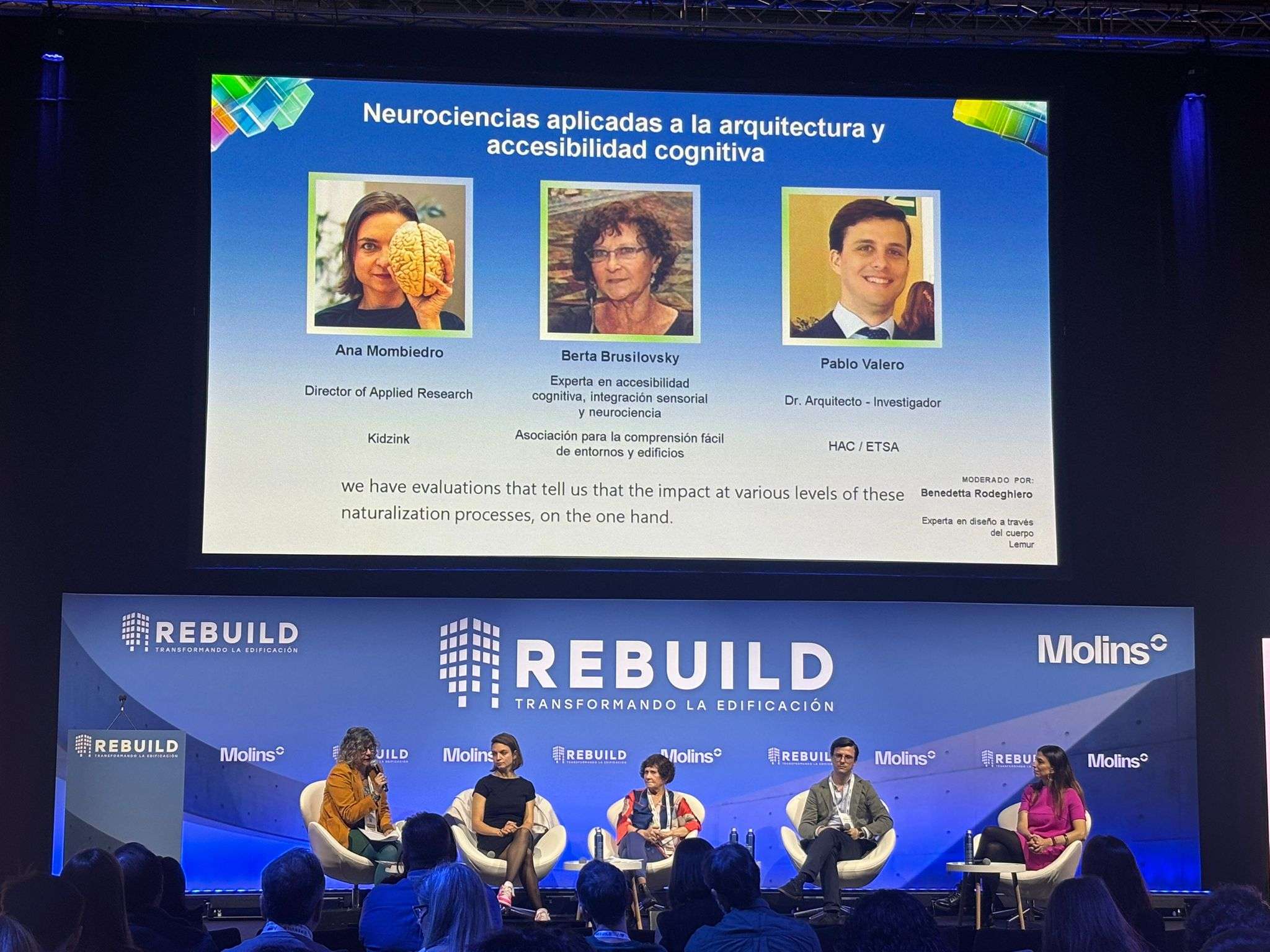
| National Congress of Advanced Architecture and Construction 4.0, “Rebuild 2026, Transforming the building”. Madrid, 24-26/03/2026 IFEMA
Neurociencias aplicadas a la arquitectura y accesibilidad cognitiva (read more) |
 |
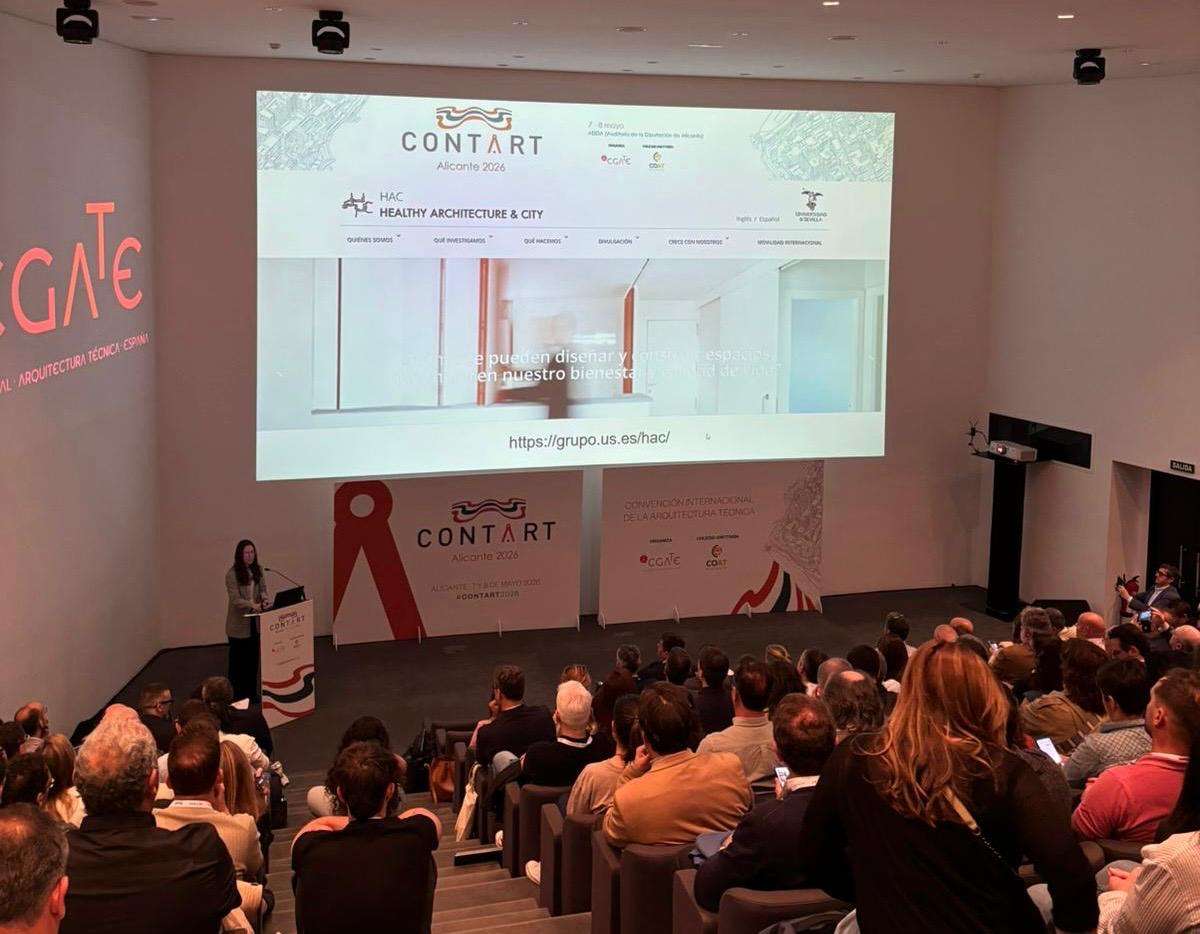
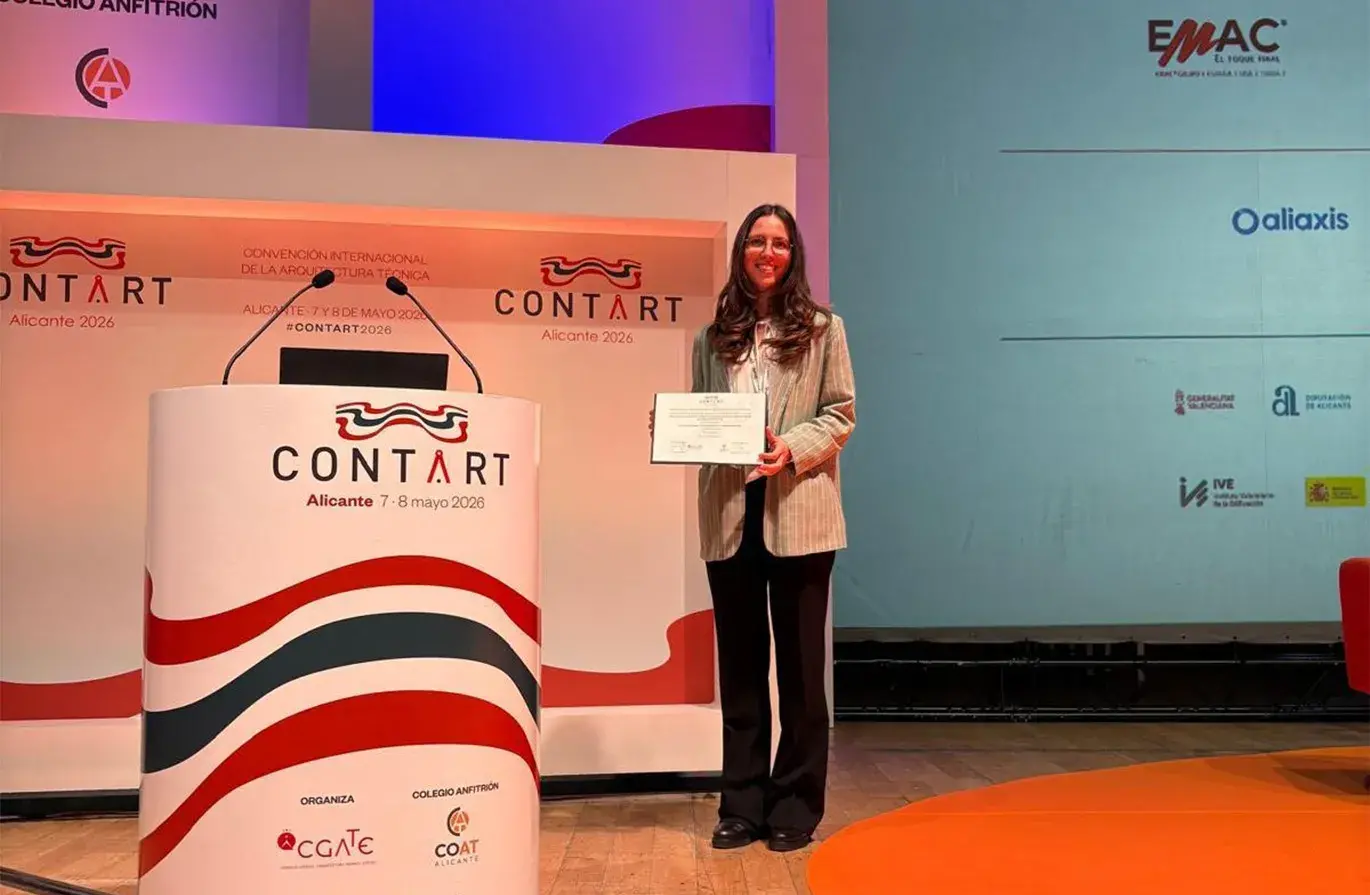
| CONTART Alicante, 07-08/05/2026 General Council of Technical Architecture of Spain
Diseño de entornos saludables e inteligentes para personas con deterioro cognitivo: vivienda prototipo en realidad virtual (read more) |
 |
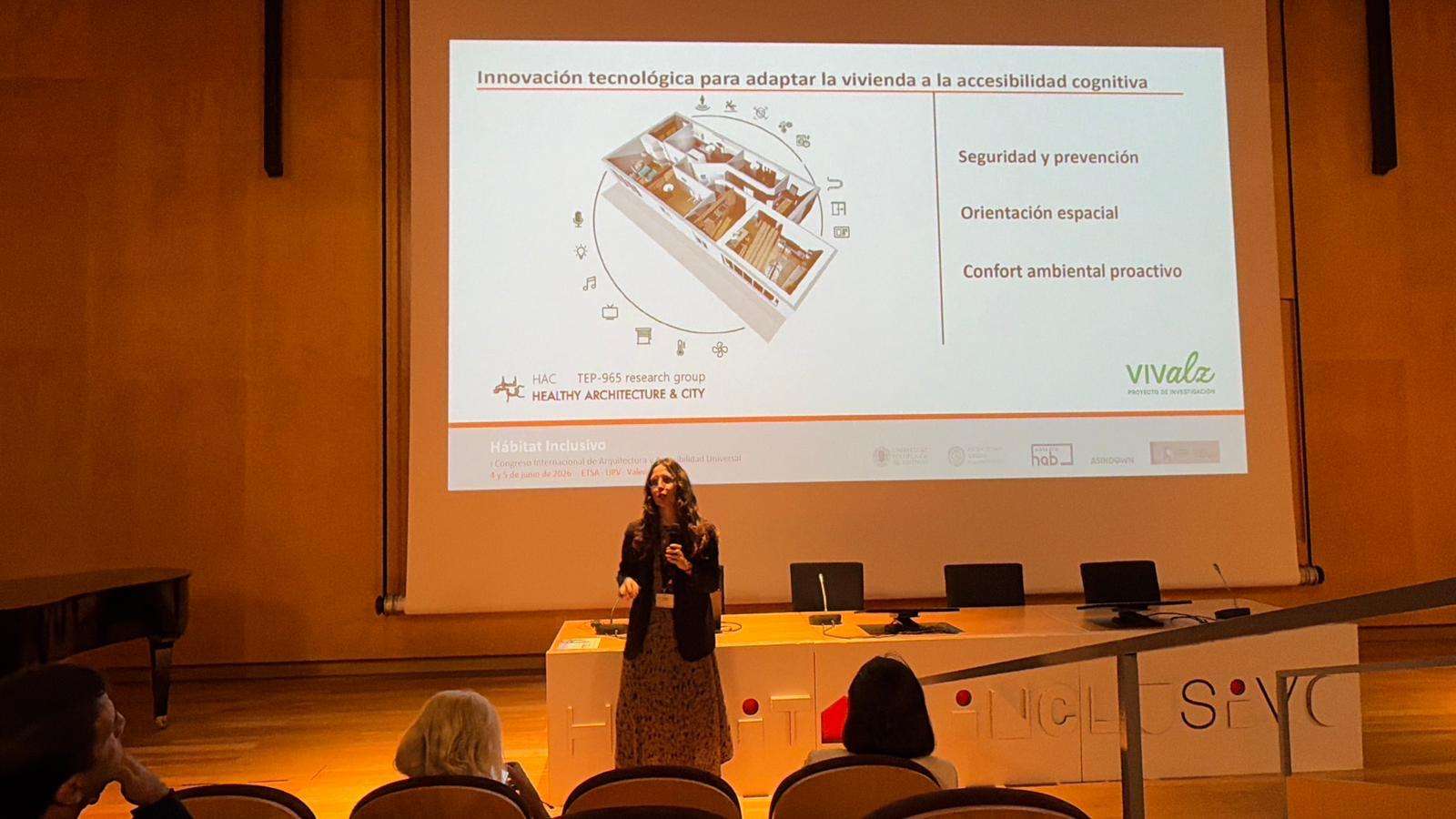
| INHABIC Inclusive Habitat Congress. Valencia, 04-05/06/2026 Polytechnic University of Valencia
Metodología y herramientas para proyectar viviendas adaptadas al deterioro cognitivo: principios y criterios de diseño accesible (read more) |
 |
* VIDEOS
- COMING SOON
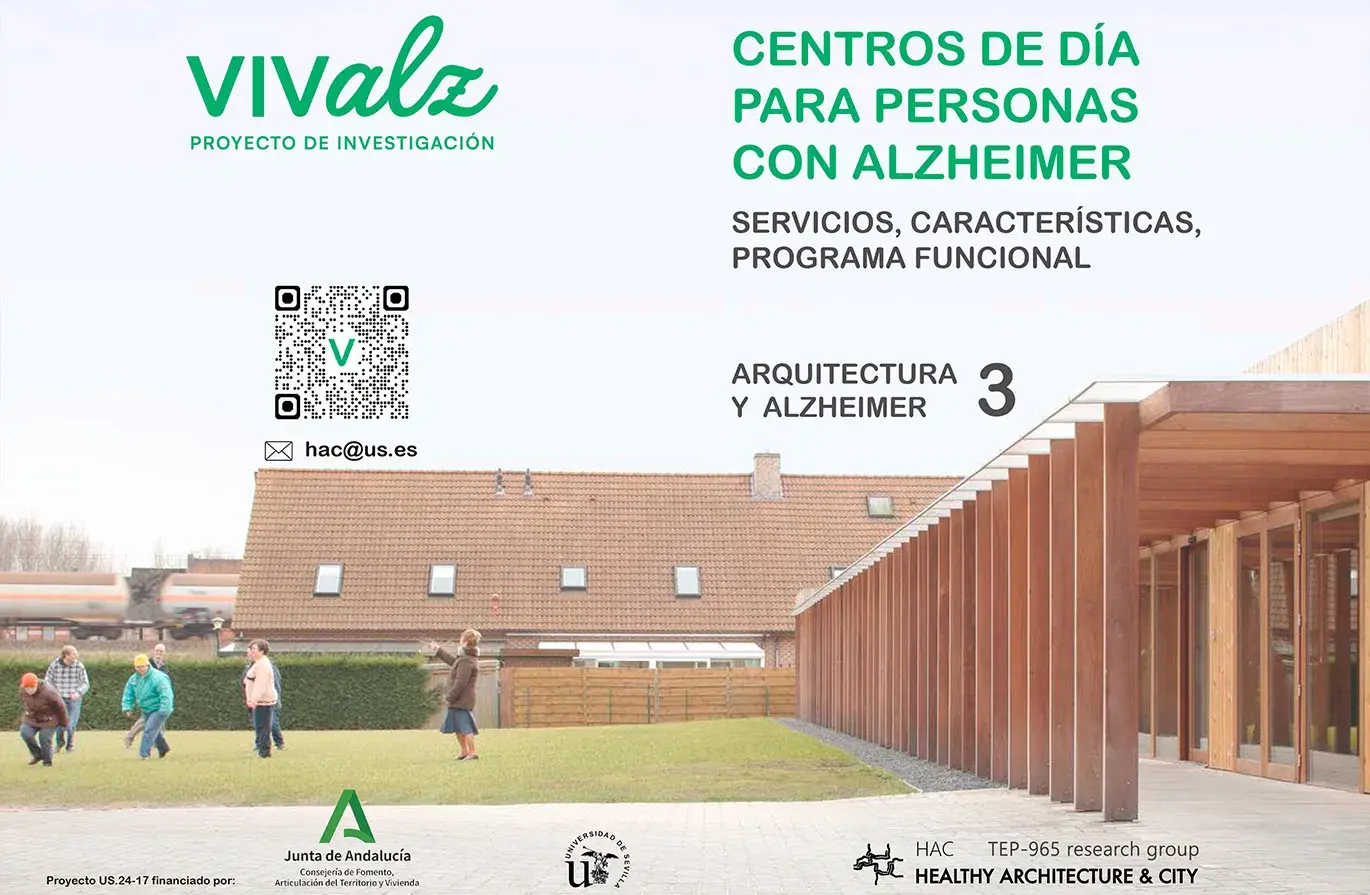
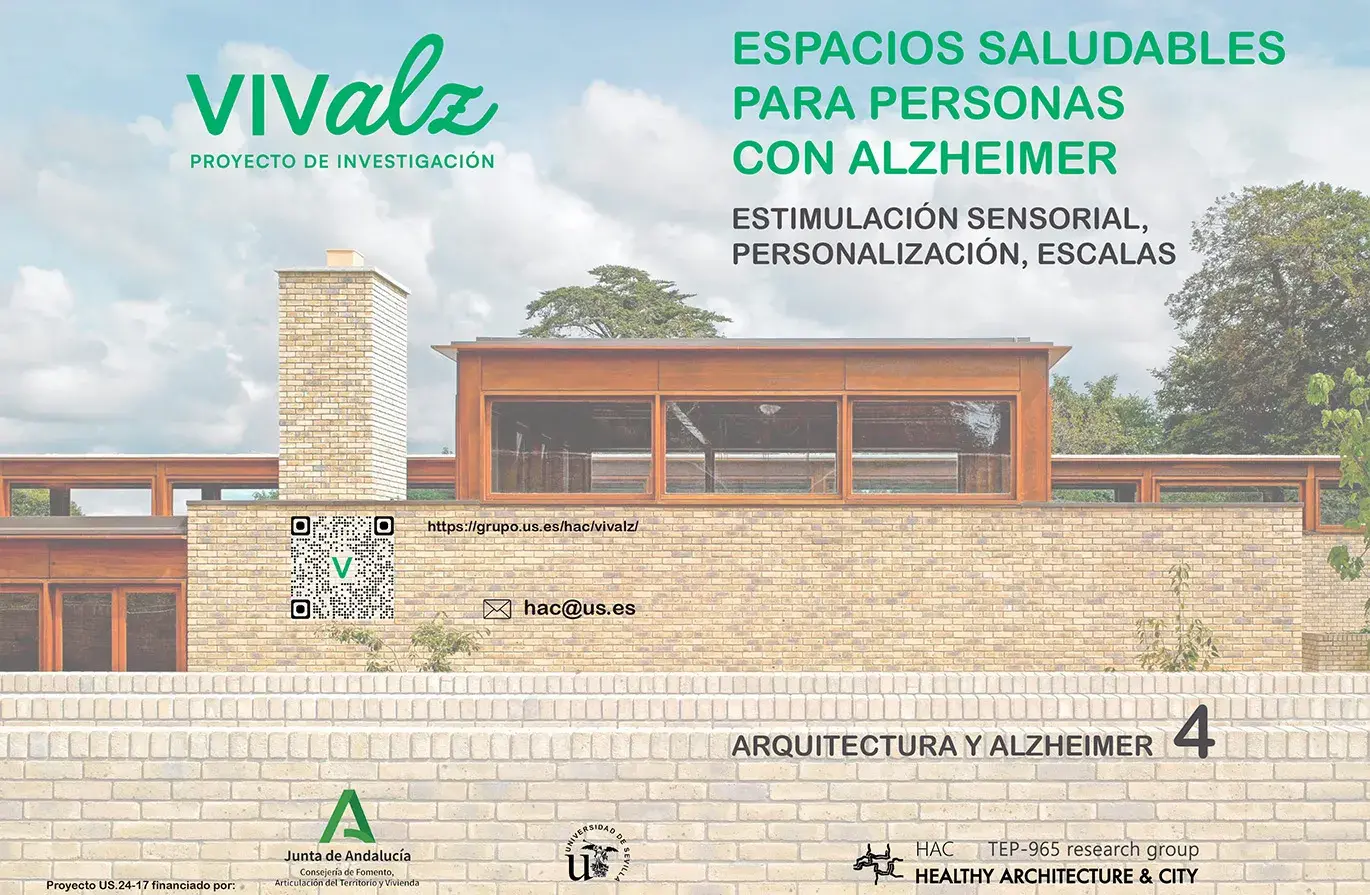
* INFORMATIVE GUIDES
|
 |
|
 |
SOCIAL IMPACT
MEDIA CHANNELS

Vivir con un extraño en el espejo: la investigación de la US que alivia a los enfermos de Alzheimer
> read the new

Un espejo inteligente desarrollado en Sevilla ayuda a reducir la ansiedad en personas con alzhéimer
> read the new

Desarrollan un espejo inteligente para personas con alzhéimer que no se reconocen en su propio reflejo
> read the new

Investigadores de la US presentan un prototipo de espejo inteligente para personas con alzhéimer
> read the new

Presentan un espejo inteligente para personas con alzhéimer
> read the new

“Informativo RNE Sevilla”
8:45 am
24 de marzo de 2026

“Más de uno Sevilla, con Chema García y Susana Valdés”, 26 de marzo de 2026
> listen to the interview

“Un espejo diseñado por investigadores de la US especialmente pensado para personas con alzhéimer.
> listen to the interview
AWARDS

TECNOSOCIAL Good Practice award
Málaga 2026
3rd Prize for the best scientific and technical paper at CONTART
Alicante 2026
 VIVALz project (US.24-17) funded by