HABITAT PROJECT
Living Spaces between Culture, Architecture, Climate
University of Seville Principal Investigator Thilo Gumbsch
October 2023 – October 2026
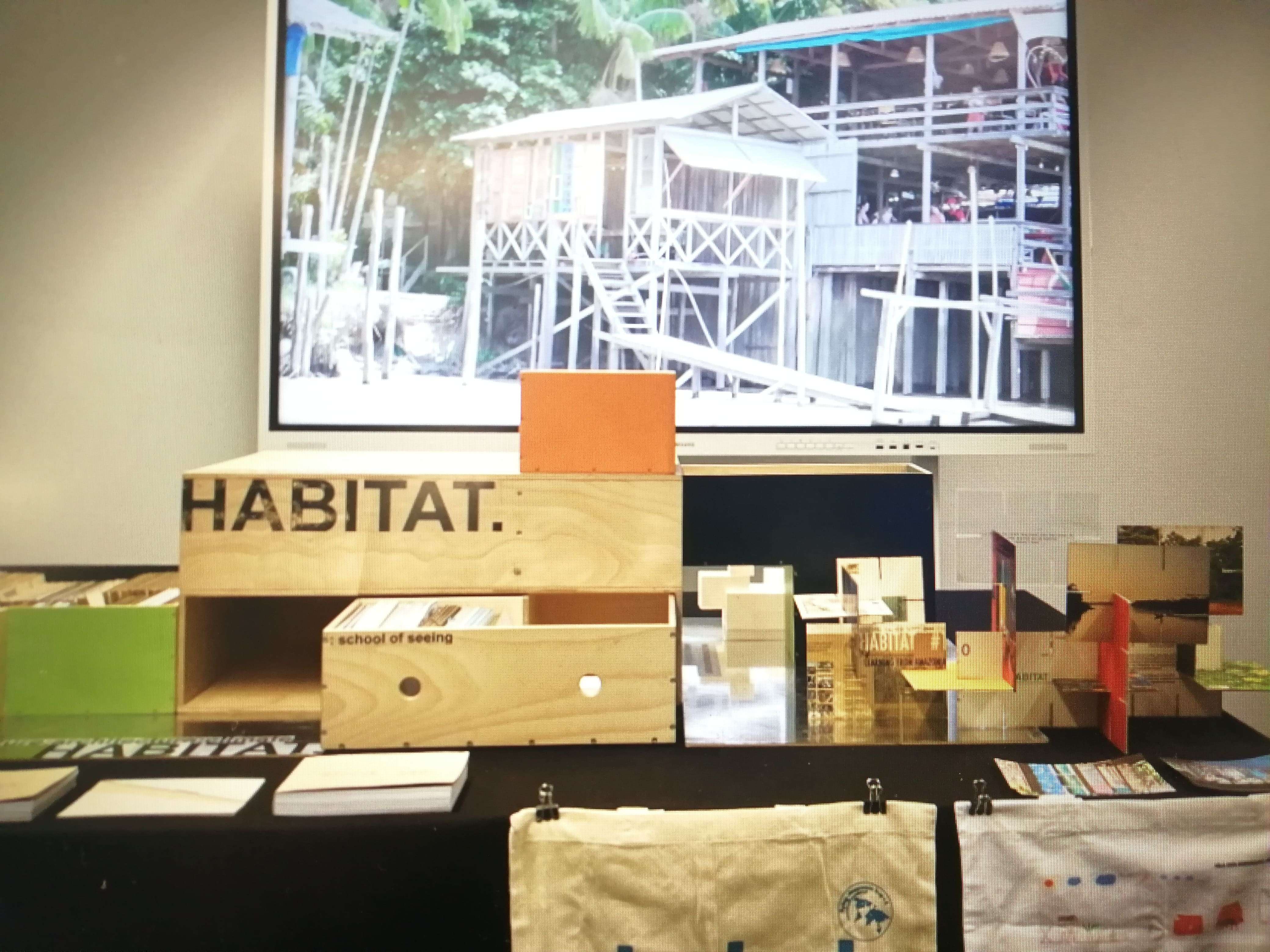
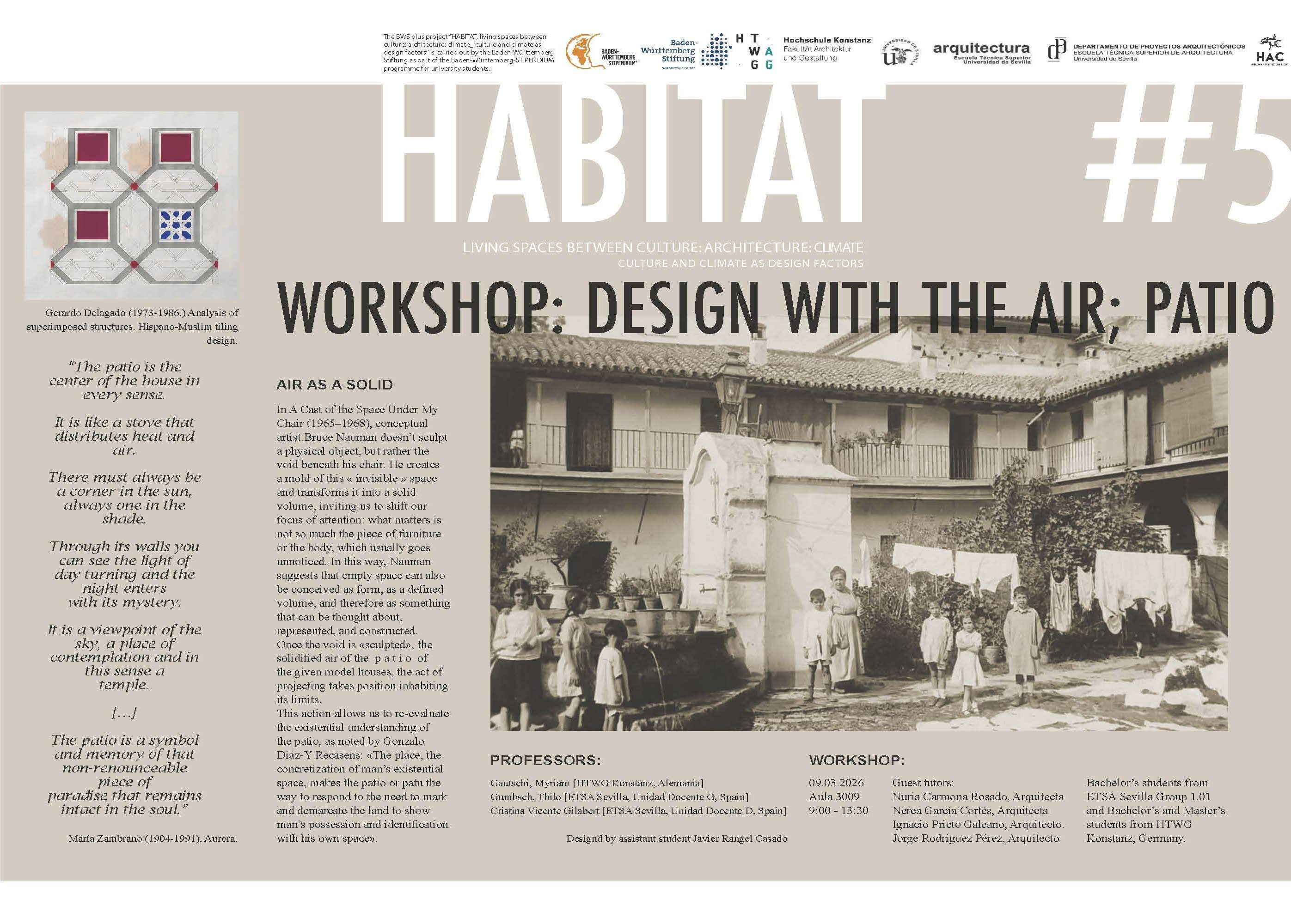
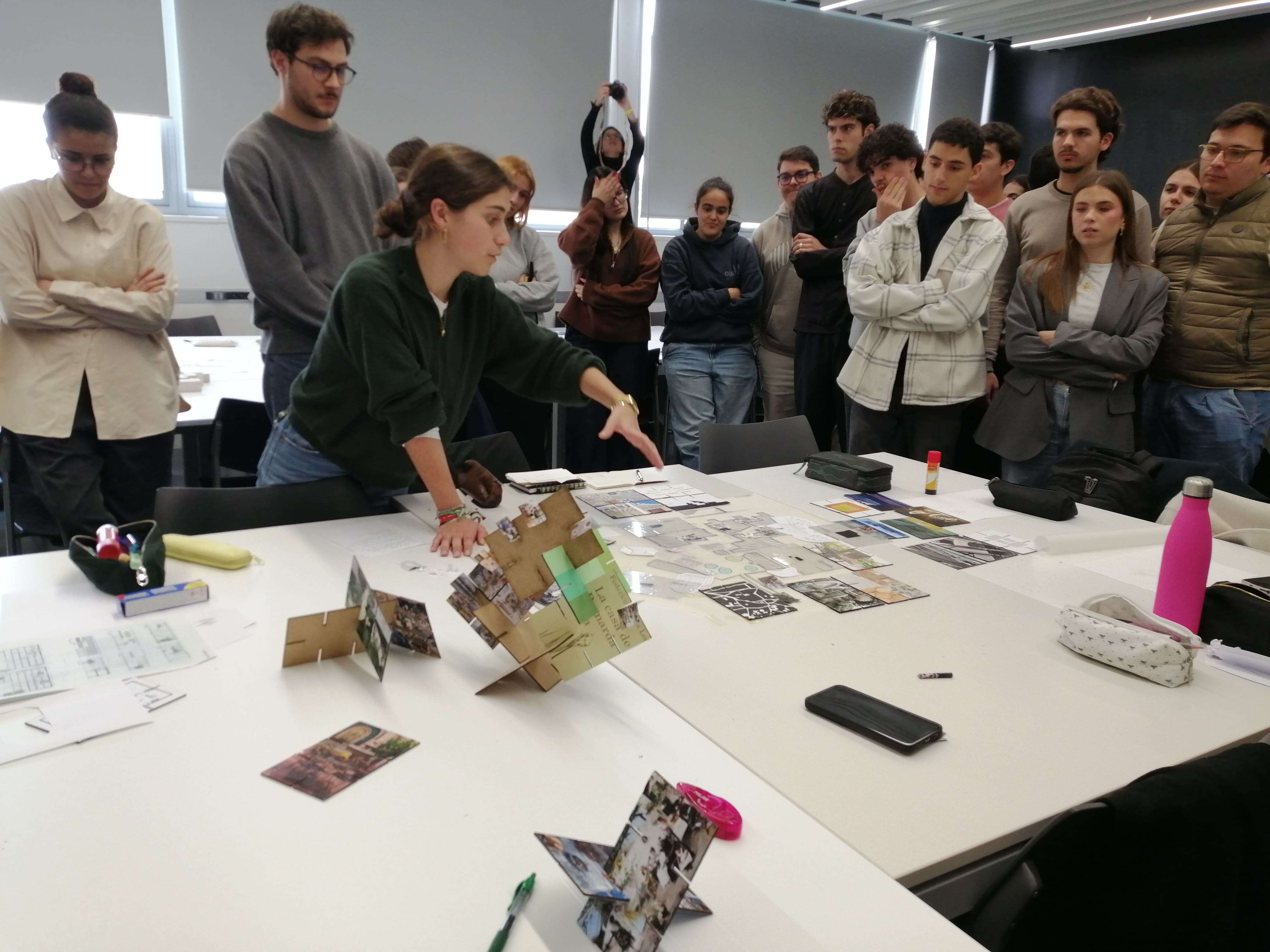
PROJECT SUMMARY
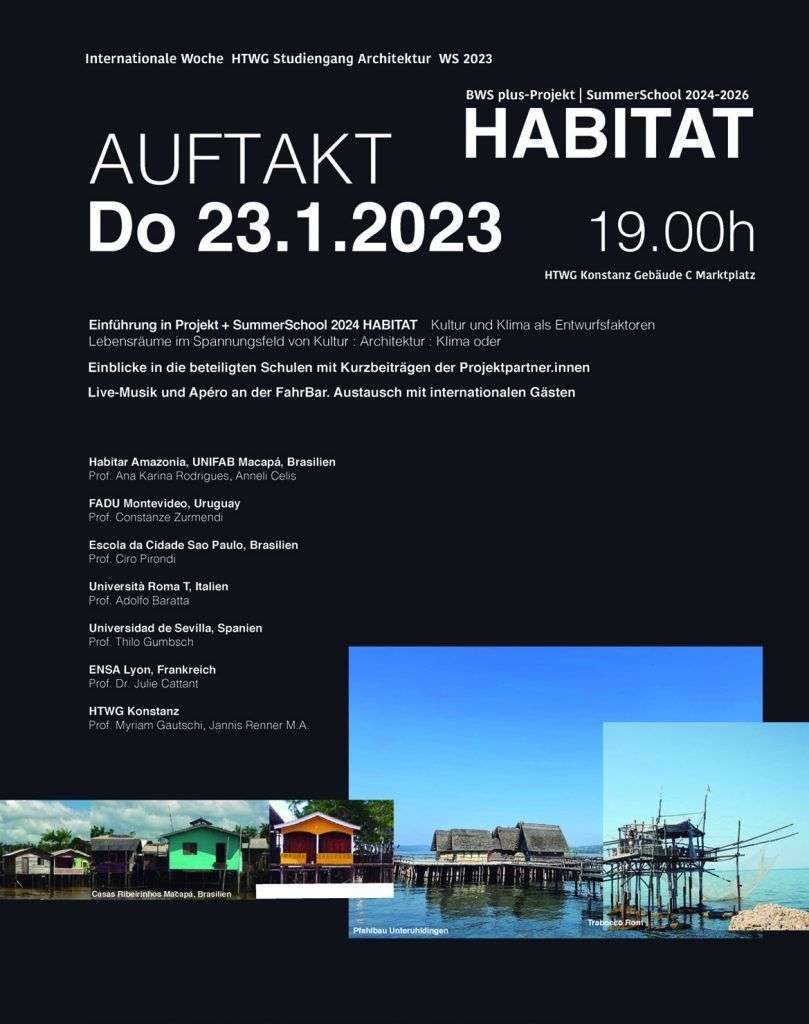
The HABITAT Project constitutes an international academic initiative funded by BWS plus, awarded through a competitive selection process within the framework of the Baden-Württemberg Stipendium program, administered by the Baden-Württemberg Stiftung. The proposal seeks to outline potential approaches to the global challenge of the climate crisis by reimagining the architectural design of residential spaces. To this end, it positions intercultural dialogue among students from various partner faculties of architecture in Europe and Latin America as its core institutional pillar.
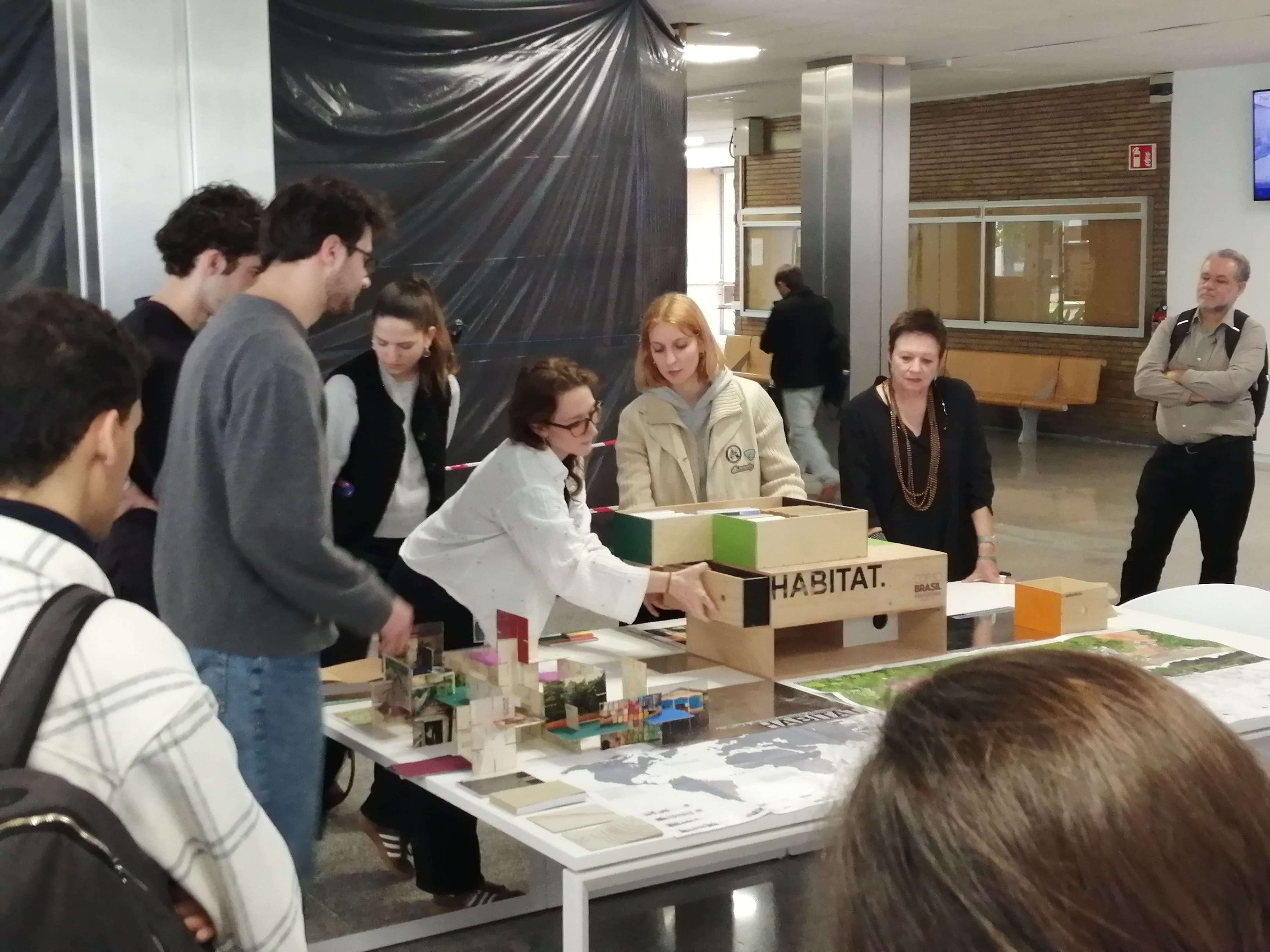
Grounded in the principle of ‘discovering’ rather than ‘inventing,’ this cross-border exchange addresses the human habitat under diverse meteorological conditions and cultural frameworks. Through this process, a knowledge repository is constructed where local traditions and contemporary design converge. On-site immersive experiences—evoking the essence of Erich Kästner’s Das fliegende Klassenzimmer (The Flying Classroom)—coupled with direct interaction, foster a profound understanding of these interrelationships, demonstrating that the discipline extends far beyond mere construction.
Methodologically, the initiative neither dictates standards nor prescribes pre-established formulas; rather, it generates open reference models to be further developed in the future. The analysis of construction systems and architectural patterns serves to integrate the environment and local customs as decisive design factors.Following a detailed evaluation among the cooperating partners, two historic typologies of significant value were selected to structure the research at the universities:
- The palafitte house typology: understood as a filigree construction, ‘characterized by the use of pillars or stilts,’ with an open and permeable character.
- The courtyard house typology: understood as a massive construction, ‘characterized by walls,’ with an introverted character.”
The theoretical study of these models is consolidated annually during a Summer School. This immersive travel and on-site communal living deepen the participants’ experiences, enabling them to practically assimilate the social and environmental impact of architecture in the face of climate change.
PARTICIPANTS
Coordinating University

ETSA Sevilla (España)

ENSA Lyon (Francia)

Roma Tre (Italia)

EC São Paulo & UNIFAP Macapá (Brasil)
FADU Montevideo (Uruguay)
Project founded by