

CAMAGÜEY / 15 April 2026
Excellence, cooperation and social commitment: International recognition for Healthy Architecture & City in Camagüey
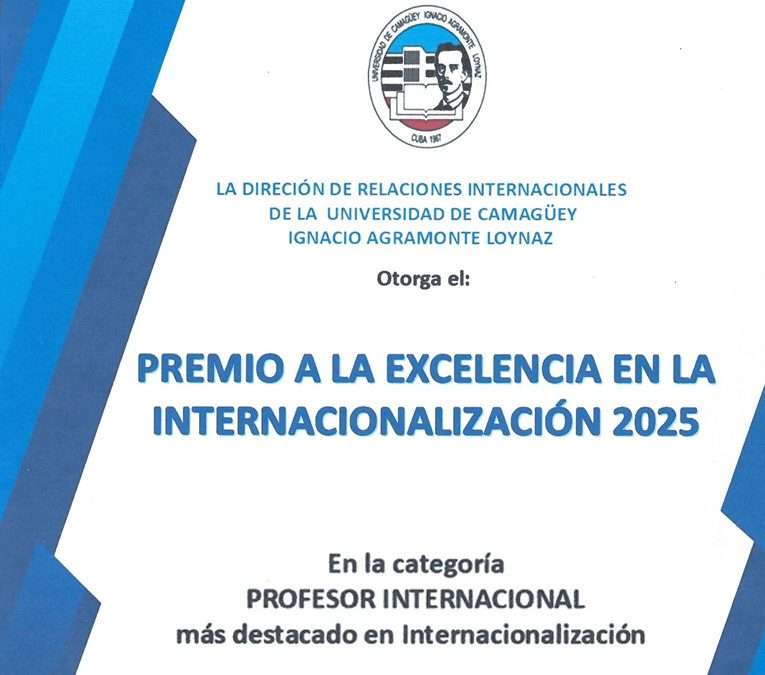
Research gains its deepest meaning when it crosses borders and places itself at the service of people and society. We share with immense satisfaction a very special milestone for the Healthy Architecture & City (HAC) research group from the University of Seville: the University of Camagüey “Ignacio Agramonte Loynaz” (Cuba) has awarded the Award for Excellence in Internationalisation to our International Cooperation Project, developed under the leadership and coordination of researchers Santiago Quesada and María Lozano in Spain, and Marisabel Almeida Torrens in Cuba.
This accolade, set within the Strategic Internationalisation Plan of the University of Camagüey, recognises international cooperation initiatives distinguished by their scientific quality, social relevance, transformative knowledge transfer, and direct link to local development and the Sustainable Development Goals (SDGs).
A sensitive perspective on the architecture and health binomial
Partnerships transforming the territory
The true driving force behind this success has been collaborative networking. Jointly led by the University of Seville and the University of Camagüey, the initiative benefited from the strategic support of the International University of Andalusia (UNIA), the Office of the City Historian of Camagüey, and the University of Medical Sciences of Camagüey.
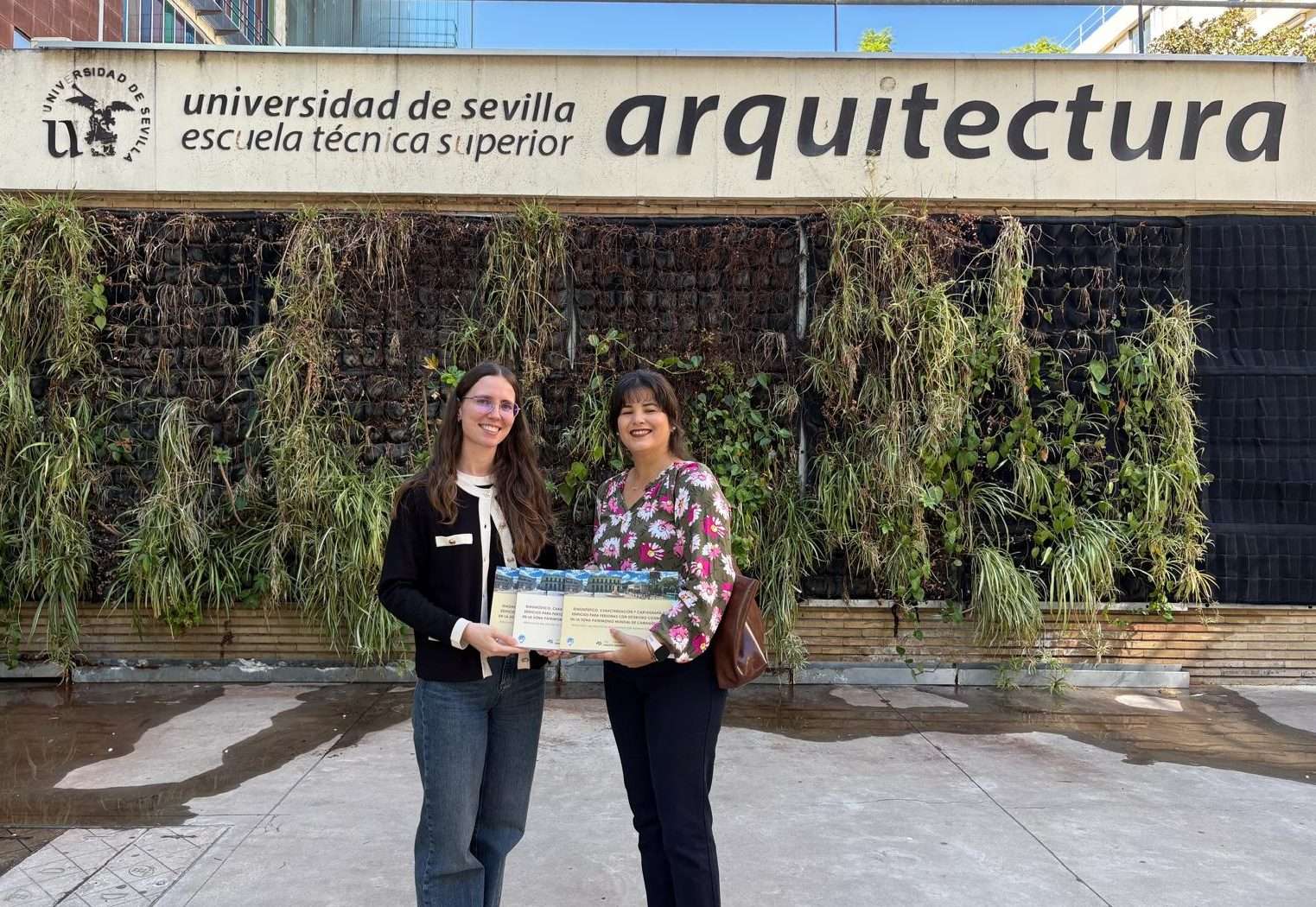
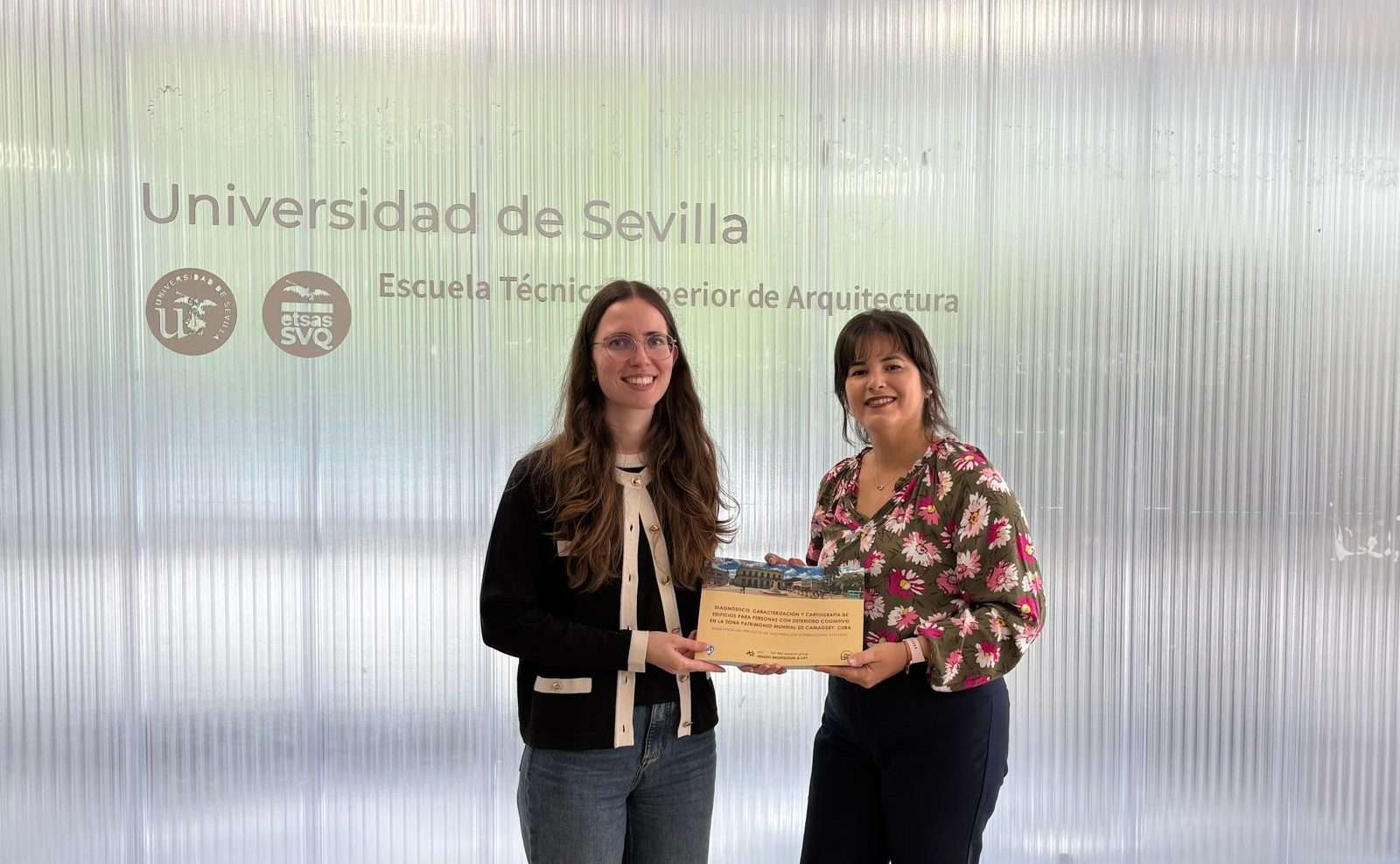
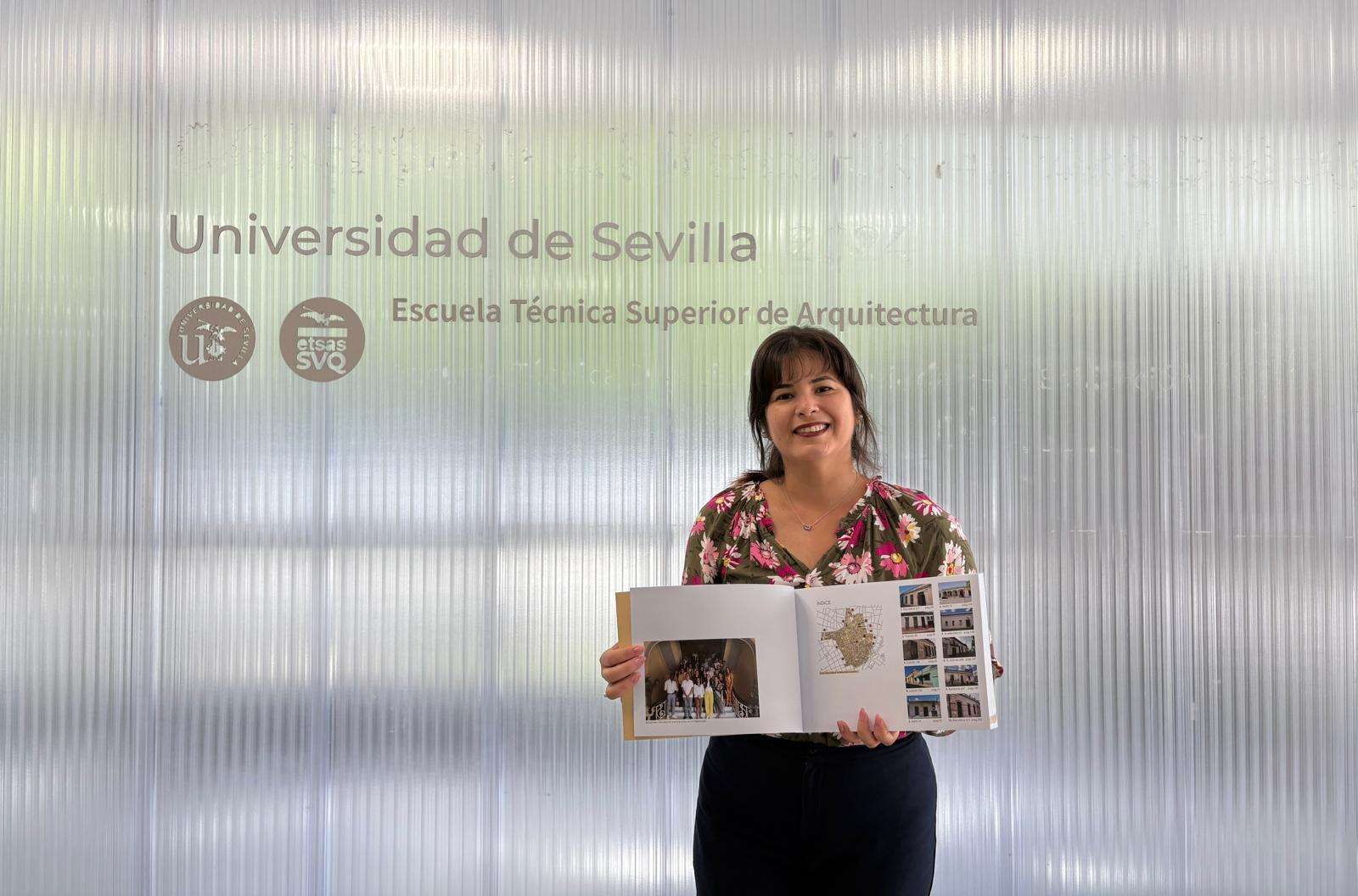
Throughout its phases—structured around a postgraduate course, a summer school, a diploma programme, and a final international symposium—the project not only fostered an enriching academic and mobility exchange across both sides of the Atlantic, but also delivered direct, tangible knowledge transfer, culminating in the publication of the book presenting the results, entitled: *Diagnóstico, caracterización y cartografía de edificios para personas con deterioro cognitivo en la zona patrimonio mundial de Camagüey, Cuba* (*Diagnosis, Characterisation and Mapping of Buildings for People with Cognitive Impairment in the World Heritage Site of Camagüey, Cuba*).
Receiving the Award for Excellence in Internationalisation is not merely an academic honour; it is a testament to how university cooperation grounded in rigour, empathy, and social responsibility can help build more inclusive, healthy, and equitable cities.
Our warmest congratulations go to every lecturer, researcher, professional, and student across Cuba and Spain who made this bridge of knowledge possible.
Find out more details and watch the project’s summary video on the group’s website:
Healthy Architecture & City – Camagüey Project