


Thermochemical conversion of biomass and wastes
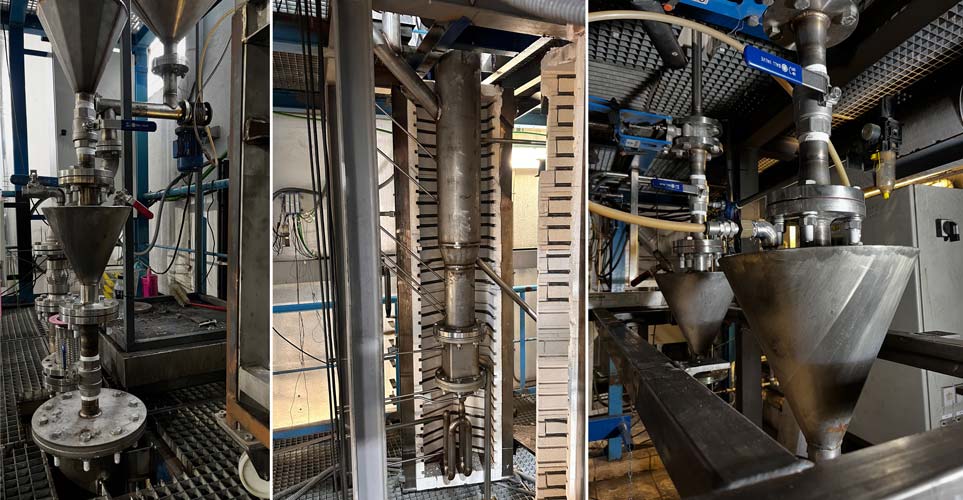
This research area focuses on the theoretical and experimental study of fluidized bed gasification and pyrolysis processes, mainly using biomass and urban or industrial wastes as fuels. The work carried out by the research group include experimental, theoretical and numerical analysis of these processes, as well as the design of the necessary equipment for their study, ranging from laboratory gasifiers (~10 kWth) to demonstration plants (>1 MWth), including ancillary systems necessary for cleaning the syngas produced.
In the field of thermochemical processes, the group has developed multiple studies on the formation and conversion of tars, the gasification of biomass or waste derived chars under different conditions (steam, CO₂, mixtures of different gasifying agents, oxy-combustion, etc.), the formation and removal of inorganic contaminants and the fluid dynamic behaviour of fluidized beds. In addition, the group has addressed the design of new gasification systems (staged-gasifiers, sorption enhanced gasifiers,…), the design of hybrid processes that integrate gasifiers with concentrating solar power systems and the study of the valorisation of complex wastes such as sewage sludge, plastics or agro-industrial wastes.
Thanks to the work, developed over the last two decades, the group has acquired capabilities for detailed modelling of fluidized bed thermochemical conversion processes, which is key to scale-up results to industrial level, optimize operating conditions and design new equipment. The group has built and operated gasifiers of different scales, from laboratory plants (5-20 kWth) to pilot plants (75-125 kWth). They have also participated in the design and operation of a demonstration plant with a 3 MWth gasifier and a tar cleaning system.
These activities have been financed through public projects and collaborations with companies such as Inerco, Total Petrochemical, Abengoa and Canal de Isabel II among others.
Related Projects
Hydrogen production with CO₂ capture through solar thermoconversion of biomass using cyclic fluidized bed carriers
Calcium looping gasification of biomass assisted by solar energy (CALGASOL)
BIOSYNCAR
Related Projects
Biomass and waste as precursors for the coupled production of hydrogen and methane in the new scenario of industrial energy transition (ALL-TO-GAS)
Industrial Demonstration of New Catalytic Route for Biobutanol and Other Bioproducts (IbuDem)
Production of biobutadiene from bioethanol (BIODIENE)
Synthesis of biofuels and biochemicals
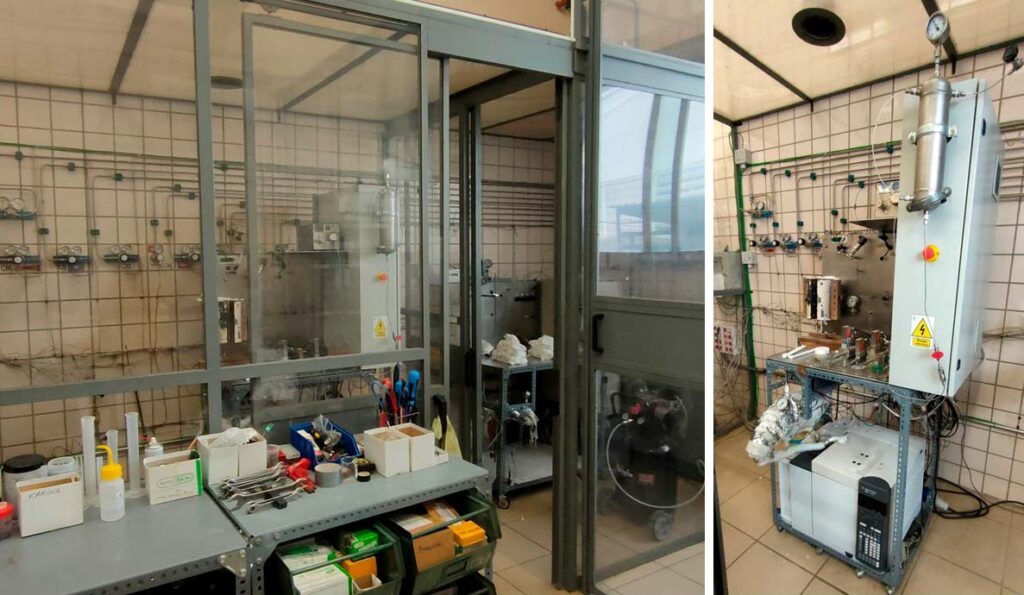
This research line studies the catalytic synthesis of renewable fuels and chemical products via thermochemical conversion of biomass (gasification or pyrolysis). For this purpose, a methodology comprised of computer-aided process analysis and experimental assessment of catalysts at laboratory scale is followed. The performance of the catalysts is assessed by means of tests carried out in laboratory-scale reactor and the data is then used to feedback process simulations to optimise the process.
Most of this research line has focused on the production of bioethanol for automotive use through direct synthesis, a field where the group has worked on since 2004 in numerous research projects and contracts. In addition to the thermochemical route, ethanol production from the hydrogenation of carbon dioxide from conventional ethanol plant fermenters has also been studied. Ethanol production has continued to be studied through alternative routes, such as the hydrocarbonylation of DME, the hydrogenation of acetic acid, and the fermentation of synthesis gas.
Subsequent projects expanded the study to include the production of other biofuels and/or biochemicals such as methanol, DME, SNG, diesel-FT, as well as bio-olefins and bio-gasoline through MTO and MTG routes, respectively.
Finally, the most recent projects have focused on researching catalytic processes for the conversion of ethanol into high-value-added products, such as biobutanol and 1,3-butadiene.
Low-carbon hydrogen for sustainable processes
This research line focuses on the design, model and analysis of energy systems where hydrogen plays a crucial role. The classical perspective of process system engineering is combined with the assessment of sustainability, leading to a new approach that guides the selection of alternatives in the design of the systems.
The line began in the early 2010s when the industrial sectors demanded us fair and rigorous evaluations of new systems based on hydrogen for energy uses. Most projects have been private research contracts. However, recently, several competitive public projects have been awarded in the areas of hydrogen production, integration and storage.
