🌍 The Impact of Natural Hazards on Heritage
Natural hazards have caused significant loss of life and widespread damage. These events affect not only physical infrastructure—such as buildings and roads—but also intangible cultural assets, including traditions, values, and community identity. Among the most vulnerable are heritage buildings, which serve as essential links to our cultural past.
Preserving these structures is crucial. It safeguards cultural identity for future generations and helps reduce population vulnerability. However, ensuring their safety is not a straightforward task. Historic buildings are often complex, lack standard engineering design, and have undergone numerous transformations over time. Many have also been weakened by environmental factors.
🏛️ Preservation in a Changing World
Adapting preservation programs to modern challenges—like climate change, digitalisation, economic pressures, and security threats—is a demanding task. It often leads to conflicts of interest among stakeholders.
To succeed, cities must adopt advanced assessment methodologies. These approaches should support digital, environmental, and economic sustainability while enabling informed conservation strategies.
🔬 The SAFE-HERITAGE Project: Objectives and Vision
To meet these challenges and seize emerging opportunities, the SAFE-HERITAGE project was launched. Its core mission is to SAFEguard built HERITAGE for future generations—a pressing societal need.
One major hurdle is the diverse and complex nature of heritage buildings. Accurately describing their structural behavior, especially under earthquake loads, remains an unresolved issue. Earthquakes have historically been the leading natural hazard affecting ancient structures across Europe, making this focus even more critical.
🛠️ A New Methodology for Structural Safety
The SAFE-HERITAGE project seeks to make the protection of heritage buildings more affordable, efficient, and reliable. To achieve this, it will:
Develop an advanced methodology that integrates structural health monitoring with numerical modeling
Support better decision-making in conservation and restoration
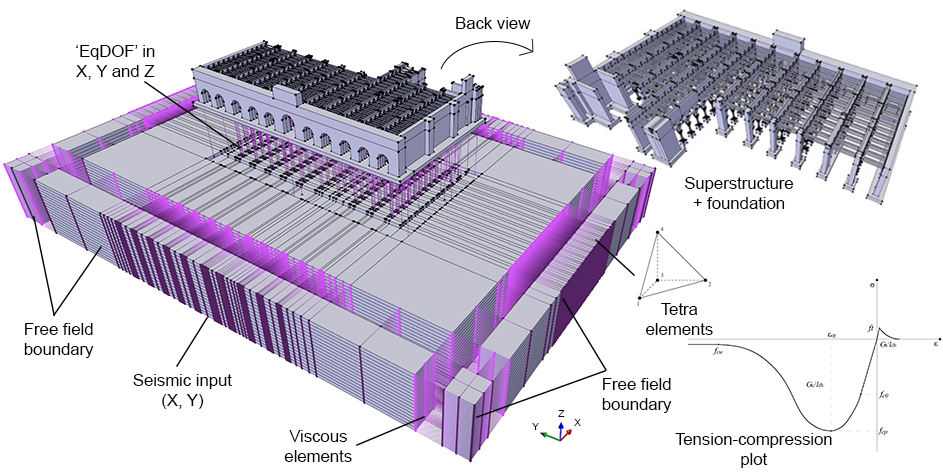
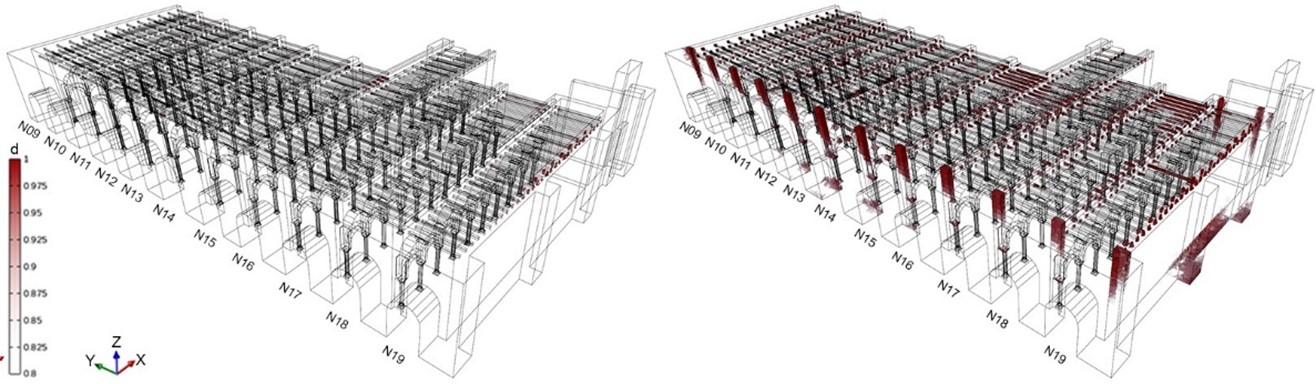
Explore state-of-the-art 3D simulation techniques for assessing seismic and structural performance
Consider the effects of material degradation due to environmental exposure