Team
memory & communication: the political uses of the past
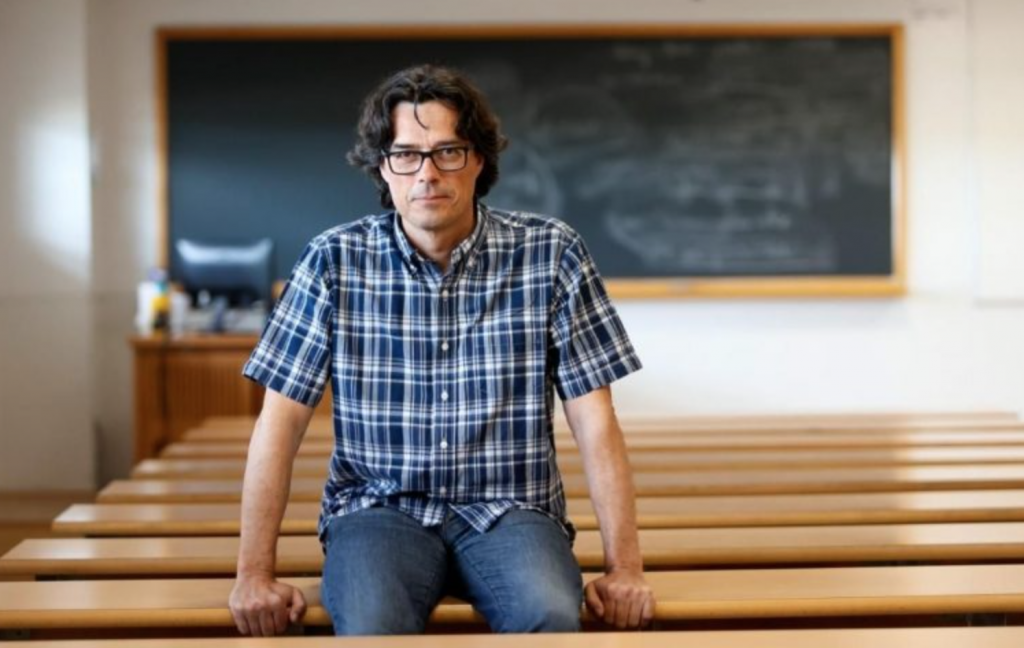
miguel vázquez liñán
principal researcher
mvazquez@us.es
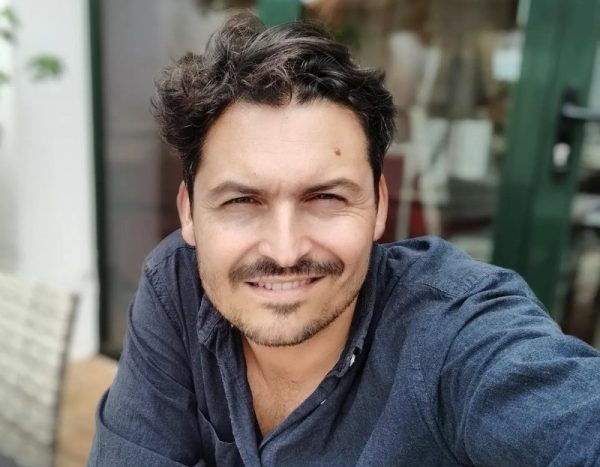
He is a tenured professor in the Department of Journalism 1 at the University of Seville. He holds a Ph.D. in Information Sciences from the Complutense University of Madrid and has specialized in the theory and history of propaganda. In recent years, he has worked on the relationships between memory and communication, particularly regarding the political uses of the past in Russia. He directed the Eurasia Observatory from 2004 to 2017 and served as academic secretary of the Interdisciplinary Group for Studies in Communication, Politics, and Social Change (COMPOLITICAS). Between 2016 and 2018, he collaborated with the General Directorate of Democratic Memory of the Andalusian Government.
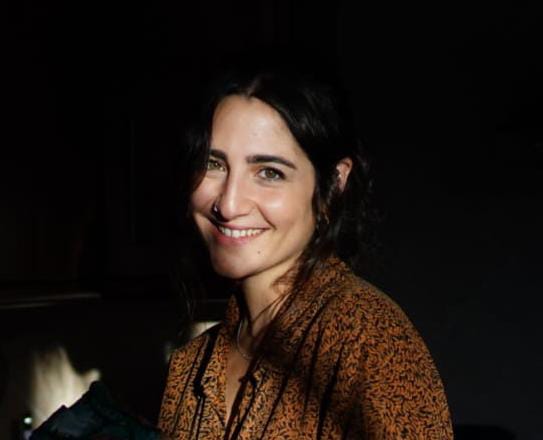
cora cuenca navarrete
researcher
ccuenca@uloyola.es
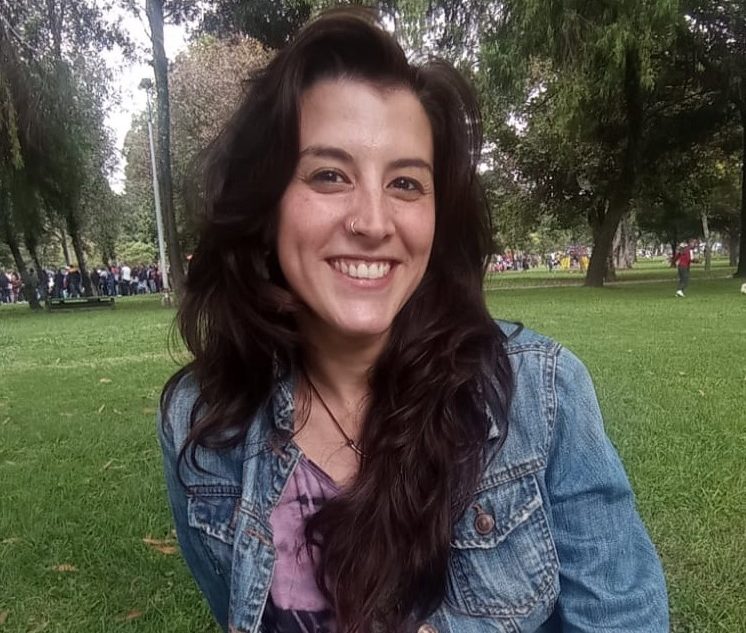
She is PhD in Communication from the University of Seville and professor at Loyola University Andalucía. She holds degrees in Journalism and Audiovisual Communication, as well as a Master’s in Philosophy and Modern Culture from the University of Seville. She was awarded a University Teaching Training (FPU) fellowship by the Spanish Ministry of Education and Vocational Training and is affiliated with the Critical History of Andalusian Journalism project (HICPAN). Her research interests include historical memory, visual studies, and the relationship between ethics and aesthetics in cinema. In connection with this field of study, she has produced two documentaries: Acero y Pólvora (winner of the Suroscopia Award for Best Andalusian Short Film) and Ranilla.
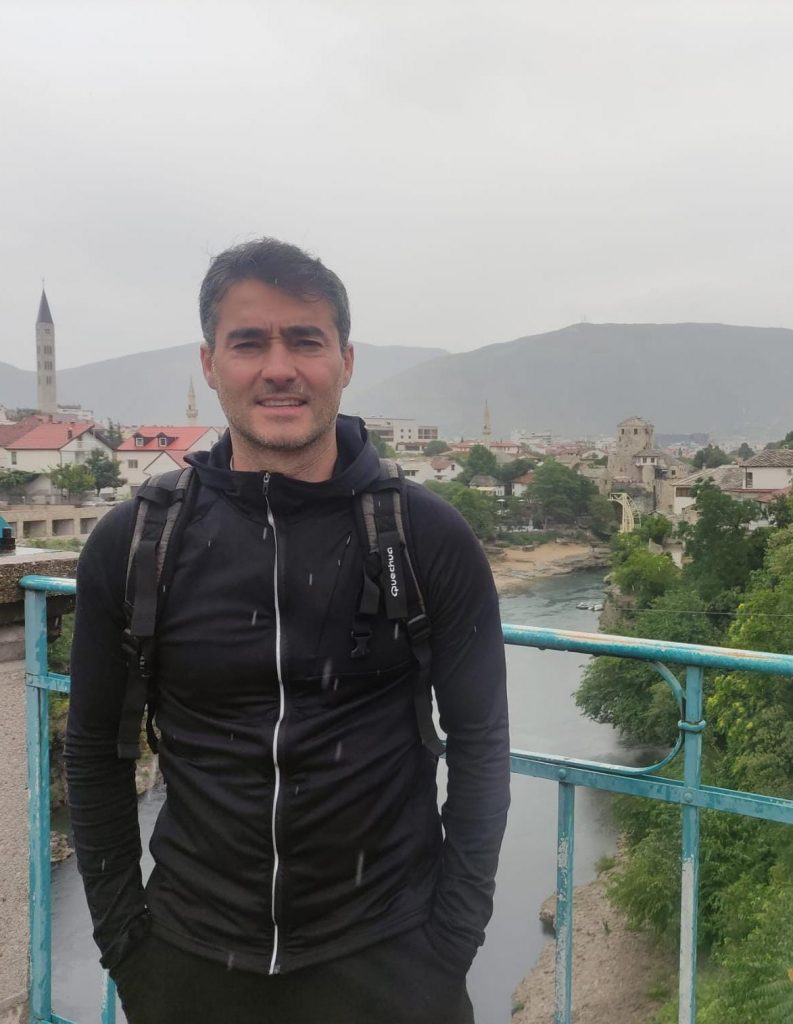
JAVIER GIRÁLDEZ DÍAZ
researcher
giraldez2009@gmail.com
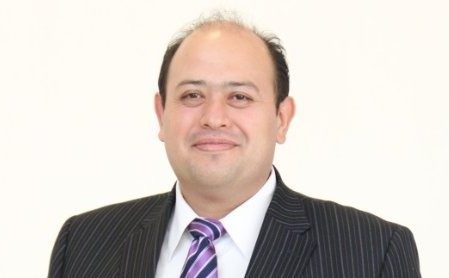
He is a secondary education teacher in the province of Cádiz. He holds a Ph.D. in Contemporary History from the University of Seville and has been an Associate Professor at the University of Huelva (2004-2005). He has worked as an advisor and project coordinator at the Commission for Historical Memory of the Andalusian Government (2008-2012). Later, between 2015 and 2019, he served as the General Director of Democratic Memory for the Andalusian Government. He is involved in several research projects related to the recovery of historical memory and the Francoist repression in Andalusia.
Belén zurbano berenguer
researcher
bzurbano@us.es
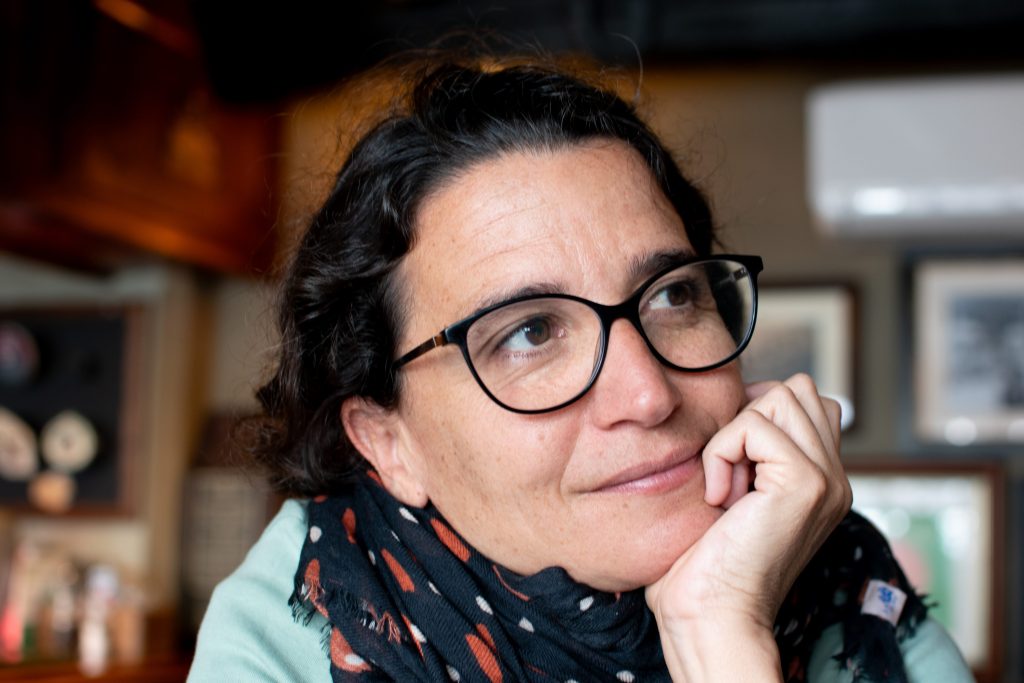
She is a professor in the Department of Journalism I at the University of Seville, holding a degree in Journalism and a PhD in Communication with international distinction. She engages with academia from feminist critical epistemologies and situated knowledge, specializing in the study of media and violence against women and girls. In recent years, her work has focused on communicative processes from feminist perspectives on ecosocial transformation, research on professional ethics, and the connections between future imagination and narratives of the past. Since 2017, she has been a member of the Gender, Economy, Politics and Development Observatory (GEPDO)..
raquel almodóvar anaya
researcher
ralmodovar@us.es
She is a lecturer in the Department of Journalism I at the University of Seville, and she has also been a lecturer in Anthropology at the University of Huelva (2017-2019). She holds degrees in Anthropology, Journalism (University of Seville), and Political Science and Sociology (UNED). Currently, she is completing her doctoral thesis on Francoist repression against women in the province of Huelva. Professionally, she stands out for her work as an anthropologist specializing in ethnological and intangible heritage, a role she has held since 2015 for various public institutions, such as the Andalusian Institute of Historical Heritage. As a result of her work, she also produced a sound documentary for the Cadena Ser titled Zufre, una historia de muerte y supervivencia (2020).
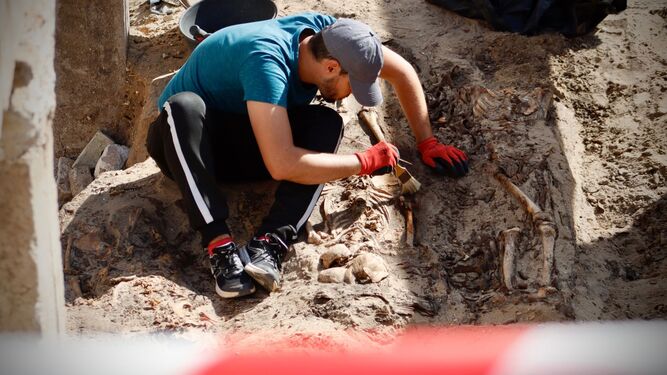
adrián tarín sanz
researcher
adrian.tarin@uaw.edu.ec
He is a professor at Amawtay Wasi University (Ecuador). Holding a PhD in Communication from the University of Seville, he has specialized in the theory and history of propaganda and, in recent years, has researched the media construction of political identities. He was a tenured professor at Universidad Central (2015–2022) and later served as director of Master’s Theses at the International University of La Rioja (2023) and as an adjunct professor at Loyola University Andalucía (2023–2025). He also collaborates with community media, such as Kapari or El Salto, he is a member of the Association for the Recovery of Historical Memory (ARMH) and has worked on the exhumation of the mass grave at San José Cemetery (Cádiz).
laura martínez jiménez
researcher
lmjimenez@us.es
She holds a PhD in Social Sciences and a Master’s in Gender and Equality from Pablo de Olavide University, and a degree in Journalism from the University of Seville. With a consistently transdisciplinary approach, she conducts research and learning in feminist communication and cultural studies, with particular focus on popular culture, alternative media, the de-democratization of anti-/post-feminisms, and journalism and social communication from feminist, eco-sustainable, and human rights perspectives. She is currently a visiting professor at the European University Miguel de Cervantes and the Open University of Catalonia, as well as a lecturer in the Department of Journalism II at the University of Seville..
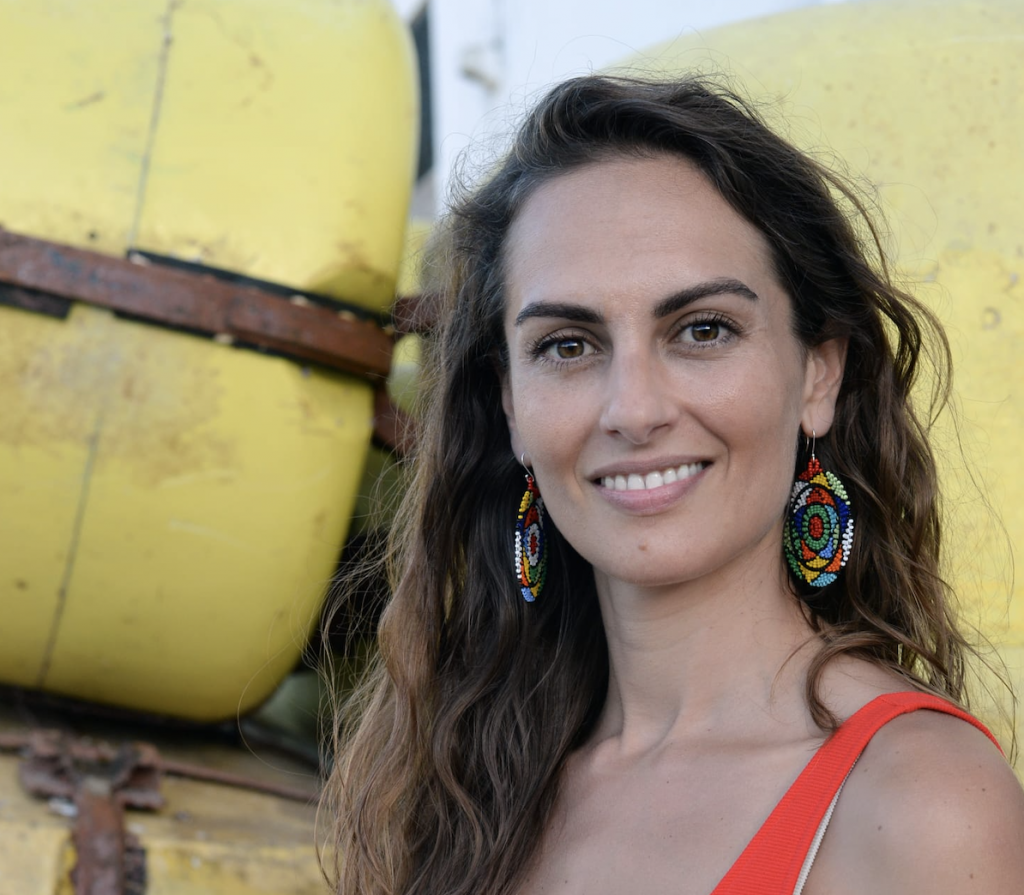
salomé sola-morales
researcher
ssolamorales@us.es
She is a tenured professor in the Department of Journalism I at the University of Seville. Holding a PhD in Media, Communication, and Culture from the Autonomous University of Barcelona and a Master’s in Politics and Democracy from UNED, she has taught at UAB, the International University of Catalonia, and the University of Santiago de Chile, and has been a visiting professor at the Complutense University of Madrid and Sapienza University of Rome. Her research—with an inclusive and feminist approach—focuses on communication theories and methodologies, technopolitics and social movements, political participation, democracy and youth, as well as issues related to cyberculture, the body, gender, and identity processes on the Internet.
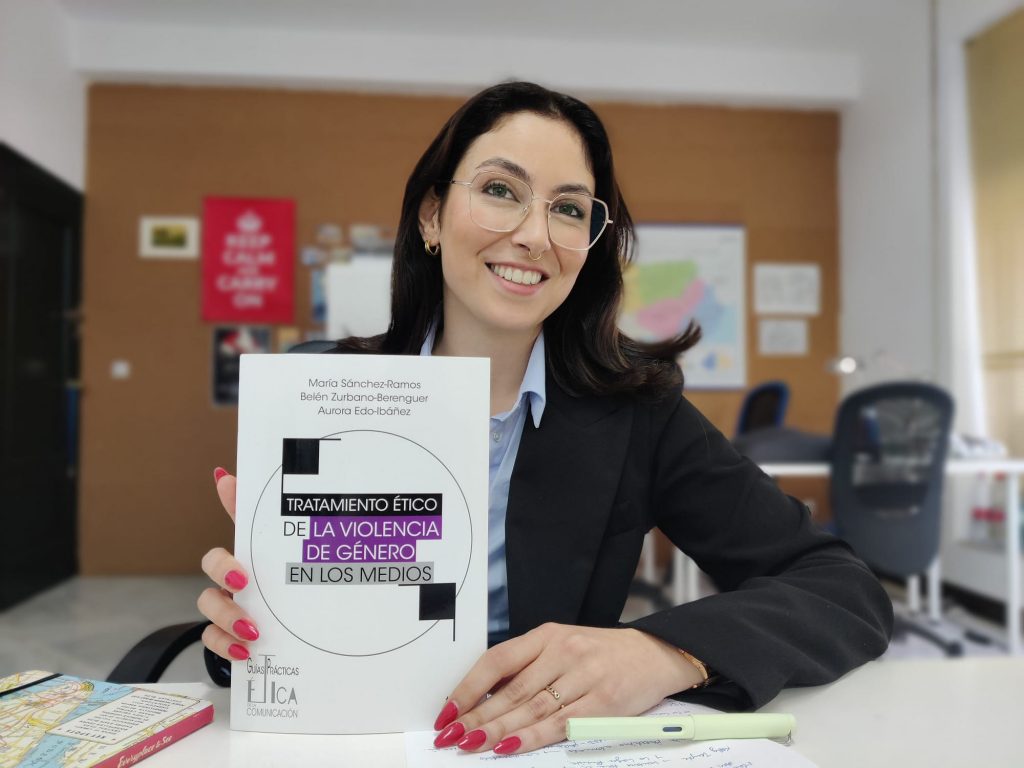
maría sánchez-ramos
researcher
msanchez103@us.es
She is a journalist and professor in the Faculty of Communication at the University of Seville. Her research focuses on the media representation of (sexual) violence against women, journalistic ethics, and gender and communication studies. She is currently involved in MICIN R&D projects: “Youth, Feminism, and Social Media: Perception and Impact of Feminist Discourse in Spain in Times of Social Transformation” and “CETICOM-2G Ethics and Self-Regulation of Social Communication.” In the field of outreach, she is notable for her work as a gender equality advocate in secondary schools, universities, and at Sevilla II Penitentiary Center.
josé candón mena
researcher
jcandon@us.es
Es He is a tenured professor (accredited as Full Professor) in the Department of Audiovisual Communication and Advertising at the Faculty of Communication, University of Seville. He holds a PhD in Communication Sciences and Sociology and was awarded the Extraordinary Doctorate Prize by the Complutense University of Madrid (UCM). His research focuses on community media, technopolitics, digital democracy, and social appropriation of technology. In this context, he coordinates the Move.net Congress on social movements and ICT. He has over 14 years of experience as a journalist in the communication offices of trade unions (CCOO and CGT) and political organizations (IU and Podemos).
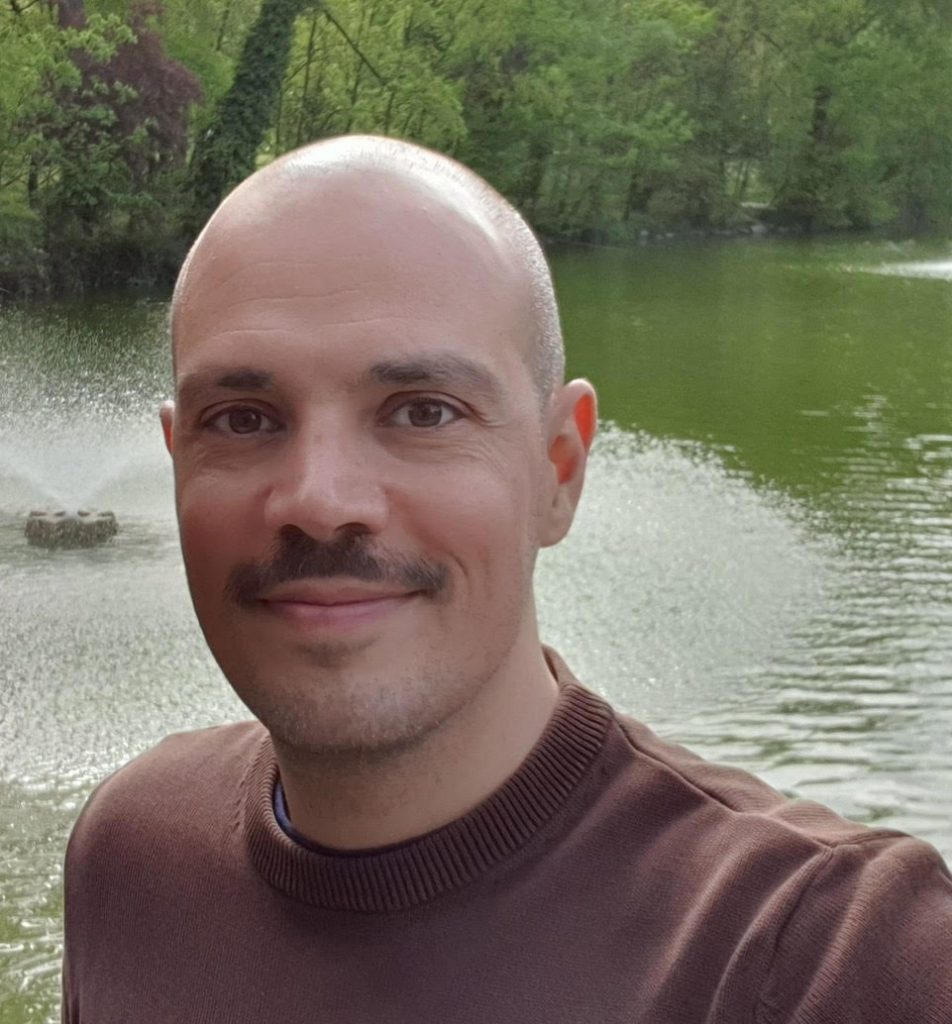
daniele salerno
researcher
dsalerno@us.es
He is a professor at the University of Seville. Holding a PhD in Semiotics from the University of Bologna (Italy), he has specialized in memory studies, developing two lines of research: the media construction of memory of political violence events, and the relationship between memory and activism. He was a researcher at the University of Bologna and a Marie Sklodowska-Curie Global Fellow in the project MemoRights-Cultural Memory in LGBT+ Activism at Utrecht University and a visiting researcher at the University of Buenos Aires, the International Institute of Social History in Amsterdam, and University College London. He collaborates with the Utrecht Forum for Memory Studies, the Núcleo de Estudios sobre Memoria (Argentina), and the Center for the Semiotic Study of Memory (Bologna).