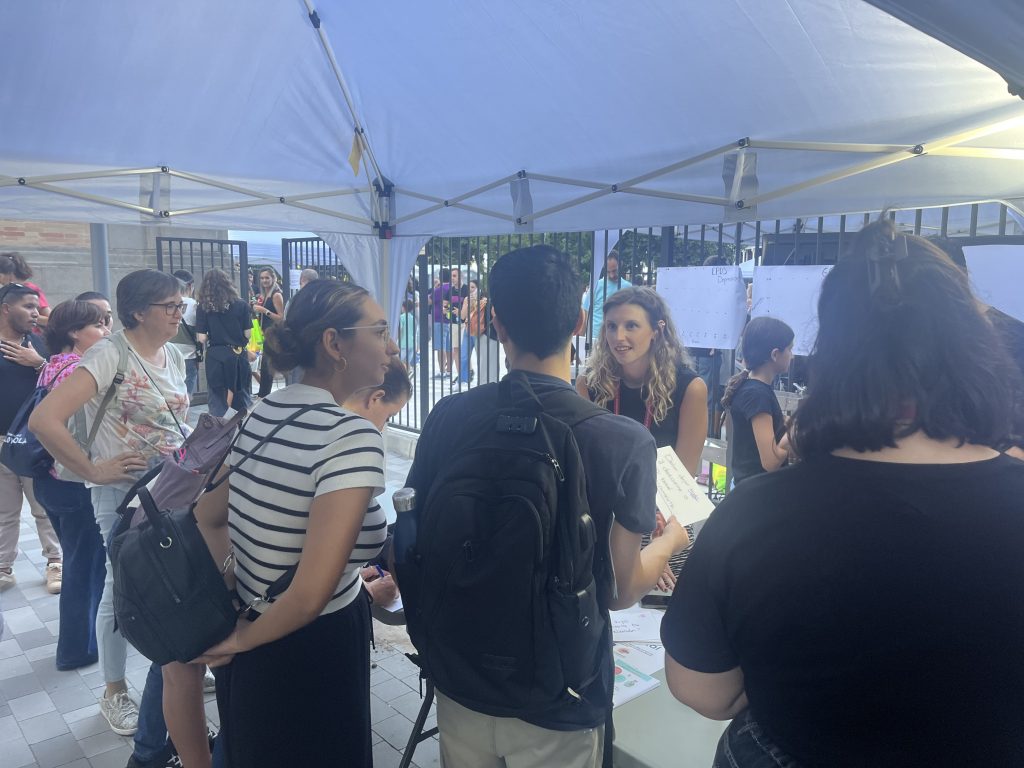
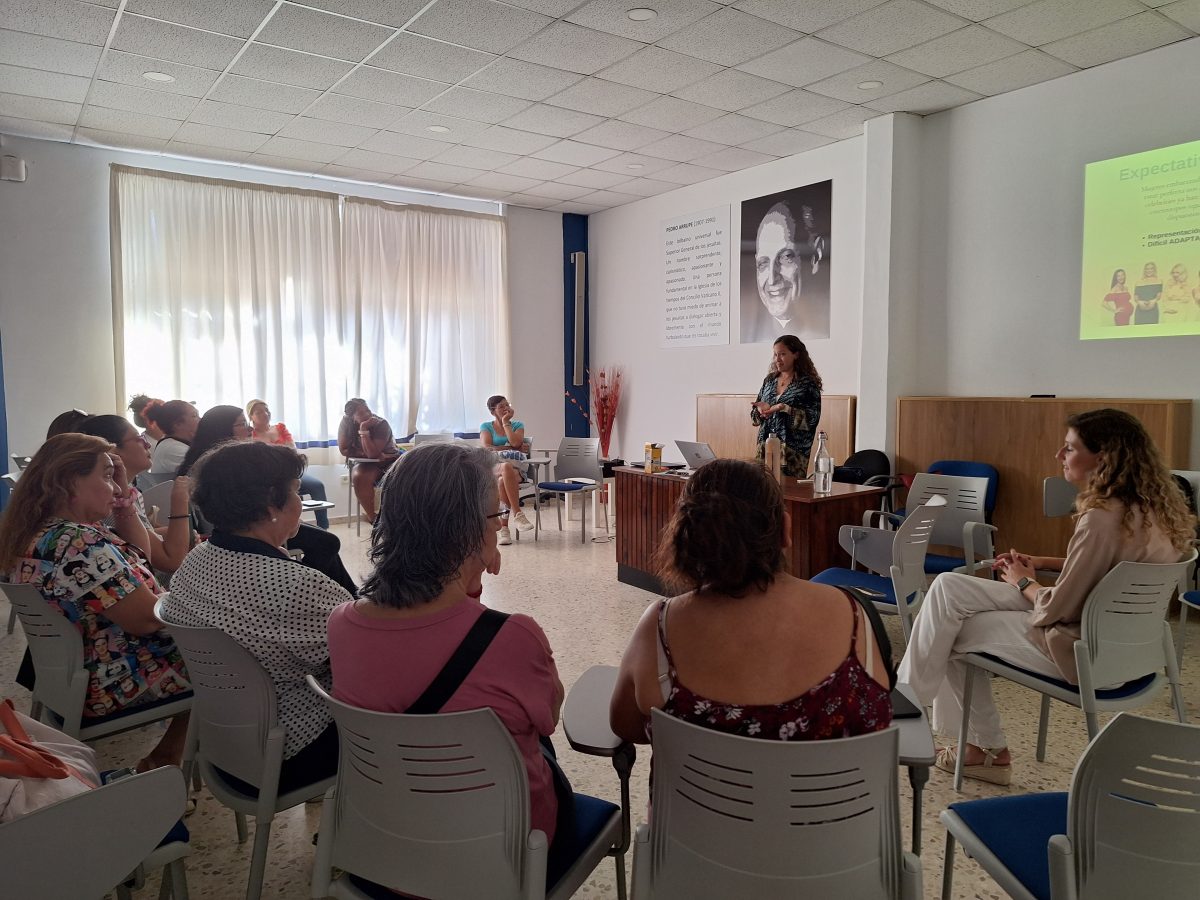
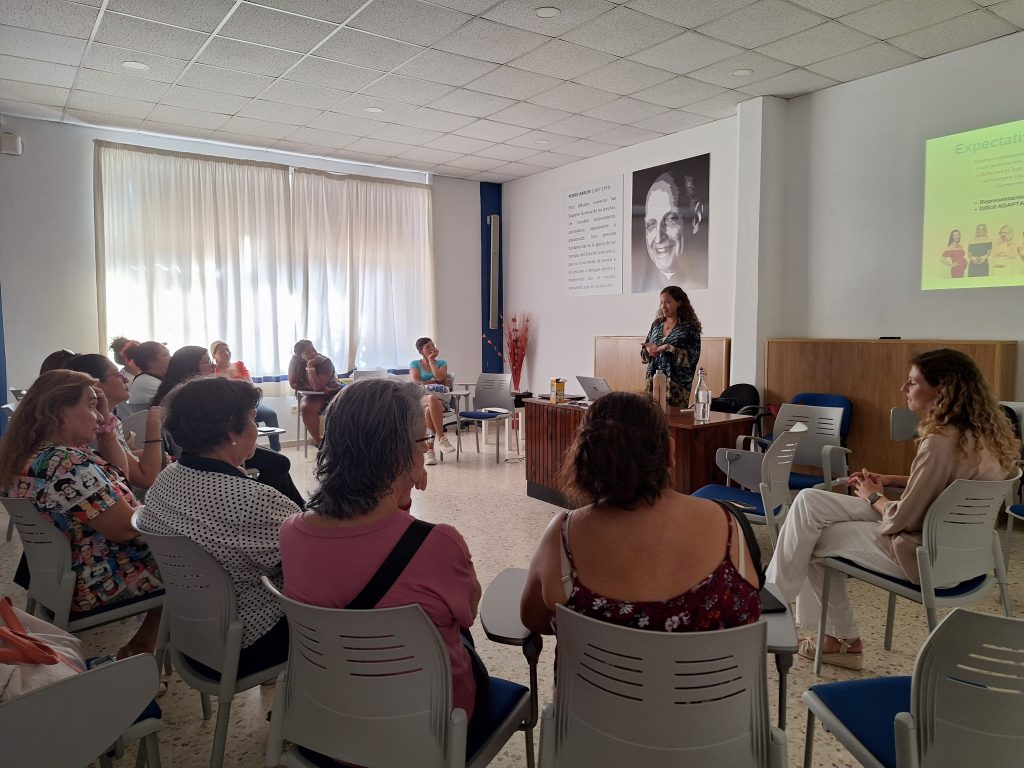
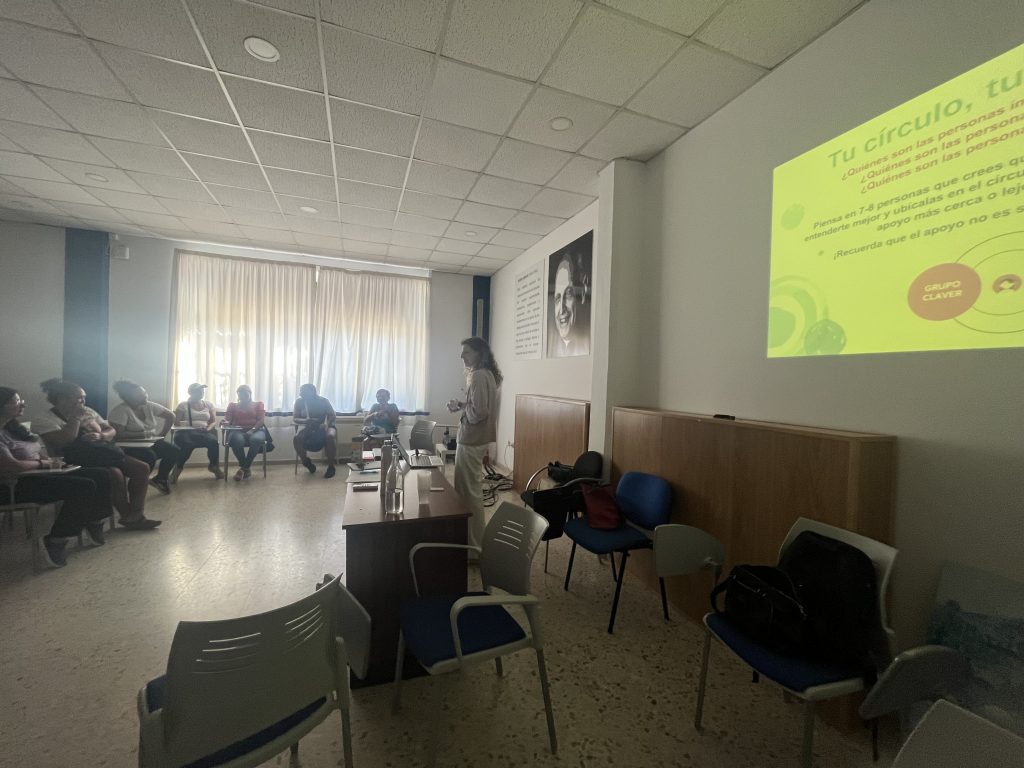
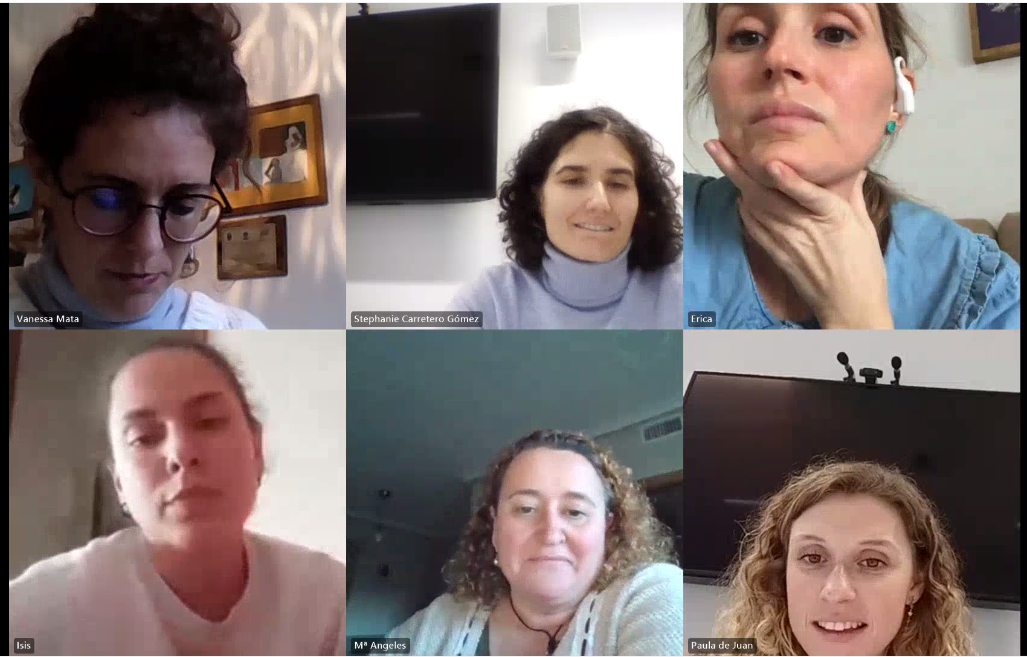
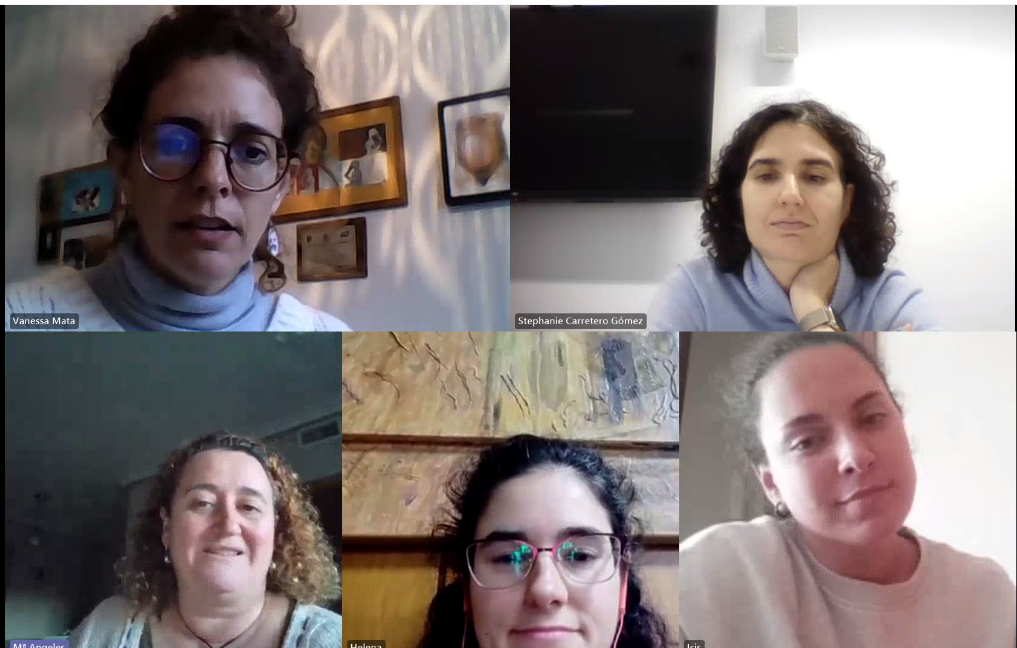
On Thursday, September 26, from 5:00 PM to 6:30 PM, an online focus group was held via Teams, with the participation of 8 mothers and 1 father who have experienced perinatal loss. This session is part of a study funded by the Fundación Banco Sabadell, integrated within the e-Perinatal project. The goal of the project is to develop a personalized online intervention for grieving families, in collaboration with healthcare professionals.
A Space to Address Real Needs
The primary objective of this meeting was to provide a platform for affected families to voice their needs and concerns, so they can be incorporated into an evidence-based intervention. This intervention will be implemented in Primary Care centers of the Andalusian Health Service and tailored to the sociocultural characteristics of the families. In the long term, the aim is for the resources developed to be accessible to those who experience this painful situation in the future.
Perinatal Loss: An Invisible Social Issue
Perinatal loss is a unique type of grief that deeply affects parental identity. In addition to the emotional impact, it has significant psychological and social consequences, such as depression, anxiety, and challenges in families’ physical and financial well-being. Despite these effects, there is insufficient support available to cope with this reality. Initiatives like the e-Perinatal project aim to shed light on this issue and provide an appropriate resource for affected families.
Session Coordination and Development
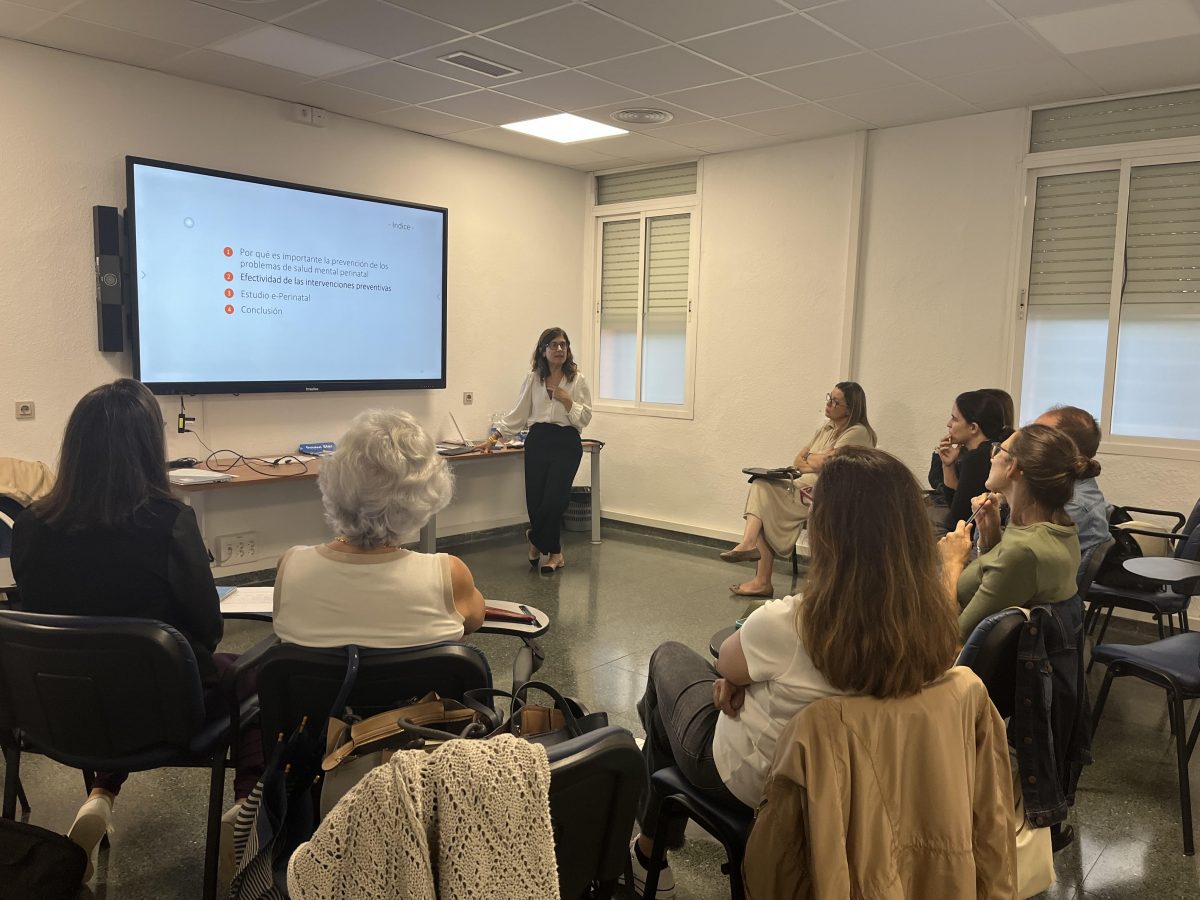
The session was led by Paula de Juan Iglesias, a predoctoral researcher and general health psychologist from the University of Seville, who presented and coordinated the focus group. Alongside her, Clara García Terol, midwife and head of the Maternal and Child Hospital Sant Joan de Déu in Barcelona, led the discussion, sharing her expertise in perinatal mental health and loss.
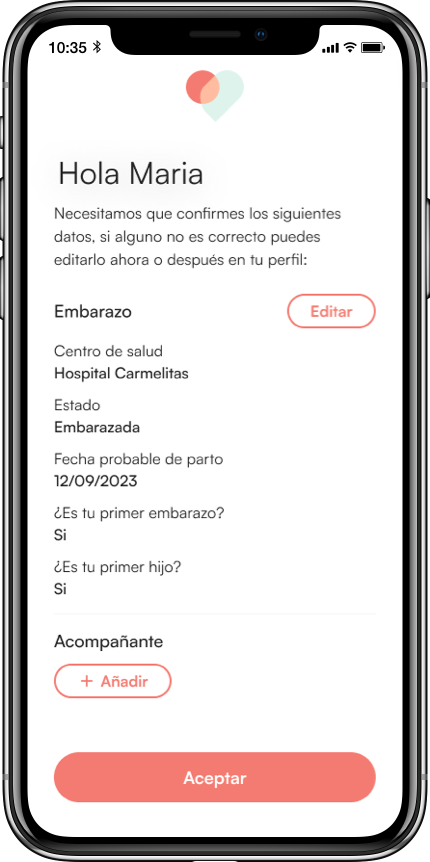
During the session, a brief presentation of the e-Perinatal project and the present collaborators was given, followed by an introduction to the support content on perinatal loss that is being developed for the app. The group discussion allowed participants to share their opinions on the design and proposed content, some of which were adapted from the Umamanita Association.
Key Takeaways from the Focus Group
Participants came from different regions of Andalusia, including Seville, Cádiz, and Jaén, with many belonging to the Matrioskas Association. They highlighted the importance of building support networks that helped them face their grief together. Some of the key conclusions included:
- The need for continuous care with the same professionals.
- The importance of respectful and inclusive language when addressing these situations.
- The complexity of perinatal grief, which is not something to “get over” or forget but becomes a part of daily life.
- The importance of providing information about perinatal loss from early pregnancy, empowering families to make informed decisions and face the situation with the necessary tools.
- The impact of grief on the entire family system, highlighting the need for approaches that include partners and siblings, not just the pregnant mother.
This focus group provided a safe and respectful space for a diversity of experiences to be shared, reinforcing the importance of speaking openly about perinatal loss.
We are deeply grateful to the participants for their bravery in sharing their experiences and helping to raise awareness of a topic that, although often considered taboo, must not be avoided.